
How to Use Painting as a Form of Emotional Release and Therapy
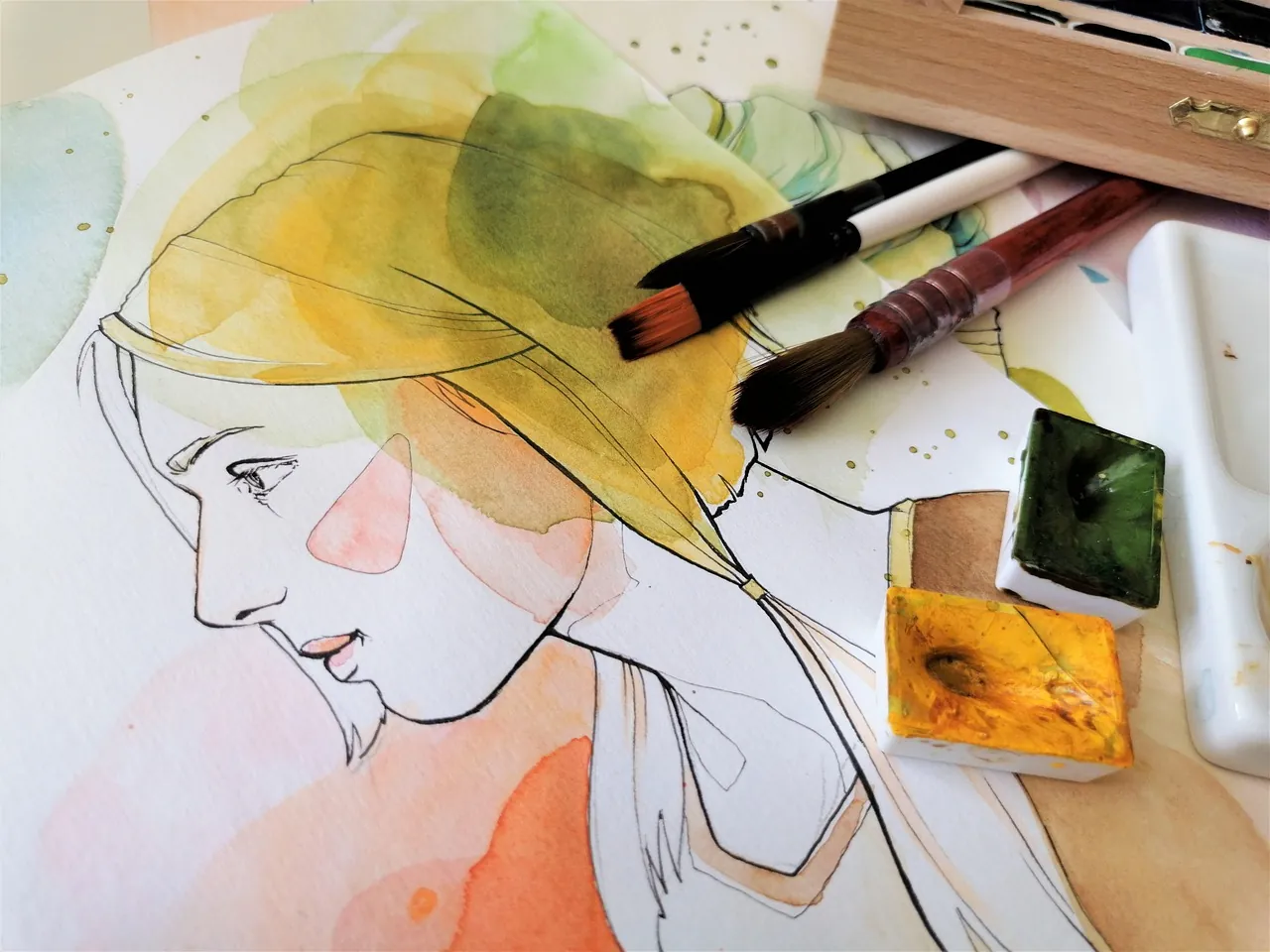
The Therapeutic Power of Painting
Painting has long been recognized not just as an art form but also as a powerful tool for mental wellness. As a non-verbal means of communication, it allows individuals to express complex emotions without the need for words.
This makes painting especially effective for those who find verbal expression challenging. The process of translating feelings onto canvas can be cathartic, providing emotional release and insight into one's inner world.
Art therapy, in particular, employs painting to help people explore their emotions, develop self-awareness, cope with stress, and boost self-esteem. Unlike traditional therapy, art therapy focuses on the creative process rather than the final product, making it accessible to anyone regardless of skill level.
Creating a Safe Space for Painting
To harness the therapeutic benefits of painting, it's crucial to create a safe and comfortable environment. Here are some steps to set the stage:
- Select a quiet space: Choose a location where you feel at ease and free from distractions. This could be a corner of your living room, a garden shed, or even a local park.
- Gather materials: You'll need basic supplies such as paints (acrylics are often recommended for beginners), brushes, canvas or paper, and a palette. Ensure these items are within easy reach.
- Set the mood: Consider playing calming music in the background or diffusing essential oils to create a soothing atmosphere.
- Establish boundaries: Inform others that you'll be unavailable during this time to ensure your session is uninterrupted.
The Framework: 30-Minute Emotional Painting Session
This simple framework encourages emotional expression through painting, emphasizing freedom and self-acceptance. Dedicate just 30 minutes per session to focus on your emotional landscape.
Step 1: Set an Intention
Before you begin painting, take a few moments to reflect on what you're feeling. Are you stressed, joyful, anxious, or calm? Setting an intention helps direct your energy and focus during the session. Your intention might be to explore a specific emotion or simply to relax and unwind.
Step 2: Choose Your Colors
Colors have a profound impact on our emotions and can significantly influence your painting experience. Select colors that resonate with how you feel or wish to feel. For example:
- Red for passion or anger
- Blue for calmness or sadness
- Yellow for happiness or energy
The key is to let your intuition guide your choice of colors. There's no right or wrong—only what feels right to you at the moment.
Step 3: Paint Without Judgment
With your colors selected, start painting freely. The focus here is on the process rather than the outcome. Allow your brushstrokes to flow without overthinking them. You might choose abstract shapes, random patterns, or representations of specific objects—whatever feels natural. Remember, this is your private expression; no one else needs to understand it.
Navigating Emotional Blocks in Painting
As with any form of therapy, painting can sometimes bring emotional blocks to the surface. If you encounter feelings of frustration or self-doubt, acknowledge them rather than resisting. These moments offer valuable insights into your inner world.
Here are some strategies for overcoming emotional blocks:
- Breathe deeply: Take slow, deep breaths to ground yourself in the present moment.
- Use different tools: Experiment with various brushes or even unconventional tools like sponges and sticks to see what feels right.
- Change perspectives: Stand back from your work periodically to gain new perspectives.
The Science Behind Art and Emotion
Numerous studies have demonstrated the positive effects of art on mental health. Engaging in creative activities like painting can stimulate the release of neurotransmitters such as dopamine and serotonin, which are crucial for mood regulation. Moreover, the act of creating art can activate the brain's reward center, providing a sense of pleasure and accomplishment.
A study published in the Journal of Psychosomatic Medicine found that individuals who engaged in artistic activities experienced decreased levels of cortisol, the stress hormone, suggesting that painting can reduce stress levels significantly.
Case Studies: Real-Life Applications
Consider Jane, a school teacher who began painting during lockdown as a way to cope with anxiety. Over time, she noticed improvements in her mood and found herself better equipped to handle daily challenges. By allocating just 30 minutes each evening for painting, Jane created a ritual that allowed her to process her emotions creatively.
Similarly, Michael, a corporate executive dealing with burnout, used abstract painting as an escape from his high-pressure job. He found that expressing himself through vibrant colors provided relief from stress and enhanced his overall sense of well-being.
The Role of Professional Art Therapy
While independent painting sessions can be incredibly beneficial, professional art therapy offers structured guidance for those looking for deeper exploration of their emotions. Art therapists are trained professionals who use creative processes alongside psychological theories to help clients address personal challenges.
If you're dealing with significant emotional issues or trauma, working with an art therapist might provide more targeted support. They can offer personalized approaches tailored to your specific needs and help interpret underlying themes in your artwork.
Embracing Imperfection in Art
A common barrier to enjoying painting is the fear of imperfection. It's important to remember that therapeutic painting is about the journey rather than achieving technical excellence. Embrace the imperfections as part of your unique expression; they are what make your work genuinely personal.
Cultivating Self-Compassion Through Art
When you paint without judgment, you practice self-compassion by accepting yourself as you are. This acceptance is crucial for emotional healing and growth. Approach your art with kindness and curiosity instead of criticism.
Conclusion: Your Pathway to Emotional Wellness
The path to emotional wellness through painting is accessible and rewarding. By dedicating regular time for creative expression, you open up opportunities for self-discovery and emotional release. Remember that this practice is highly personal—there's no right or wrong way to paint emotionally.
Whether you're seeking stress relief or looking to delve into deeper emotions, painting offers a versatile platform for expression and healing. So grab your brushes, find your colors, and let the canvas become a mirror reflecting your innermost self.