
Examining the Adaptation of Coyotes to Suburban Environments in LA
The Rise of Urban Coyotes
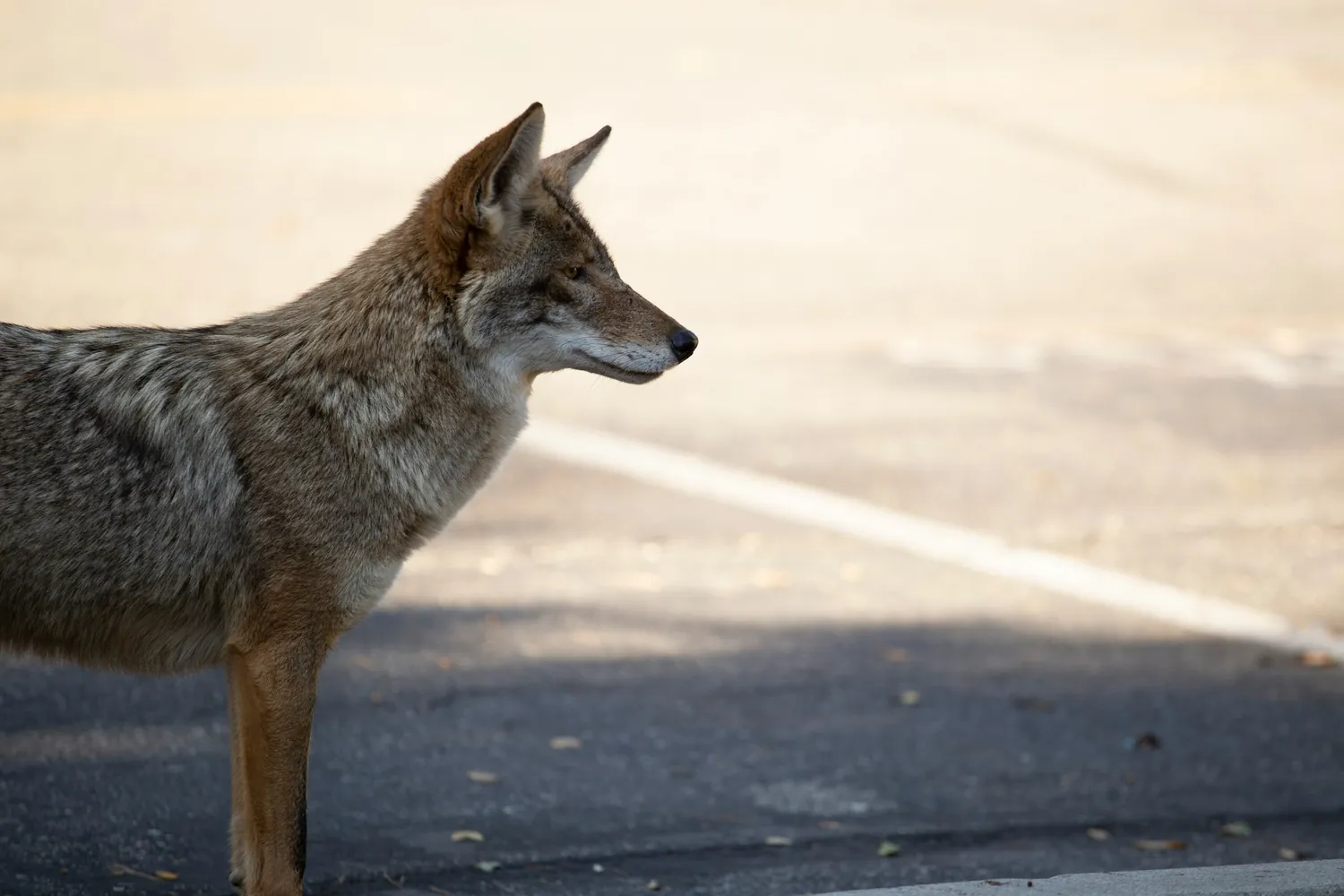
In recent years, Los Angeles has become a focal point for studying the adaptive behavior of coyotes as they increasingly migrate into urban and suburban environments. This phenomenon raises important questions about wildlife adaptation, human-animal interactions, and ecosystem dynamics within metropolitan areas.
Historically, coyotes inhabited open prairies and deserts across North America, but habitat fragmentation and urban expansion have driven them towards cities. In LA, this shift is marked by frequent sightings and encounters, leading to growing interest in understanding how these intelligent canines adapt to city life.
Coyote Sightings: A Data-Driven Overview
Data on coyote sightings is crucial for understanding their population dynamics and range within urban settings. In Los Angeles, such data is often collected through community reporting platforms like the Coyote Cacher or municipal wildlife management programs.
Analysis of this data reveals trends such as peak sighting times (often during dusk and dawn) and geographical hotspots—typically areas with abundant green spaces or food sources. These insights are vital for developing effective management strategies and informing the public about potential risks and preventive measures.
Dietary Adaptations
Coyotes are opportunistic feeders, a trait that aids their survival in diverse environments. In urban settings, they adapt their diet based on availability. Traditional prey like rabbits and rodents remain staples, but urban coyotes also consume human-associated foods such as pet food, garbage, and fruit from residential gardens.
This dietary flexibility highlights both the resilience of coyotes and potential conflict areas with humans. Unsecured garbage cans and pet food left outdoors serve as attractive nuisances that draw coyotes into neighborhoods, increasing the risk of human-wildlife interactions.
Urban Prey Versus Anthropogenic Food Sources
Research contrasts between reliance on natural prey versus anthropogenic food sources suggest that while some urban coyotes maintain natural hunting behaviors, others exhibit significant shifts towards human-derived foods. These shifts can be attributed to varying levels of food availability and human activity within different city areas.
Behavioral Adaptations to City Life
Coyotes display remarkable behavioral adaptations when navigating urban landscapes. Their nocturnal habits minimize direct human contact, although daytime sightings are not uncommon. Urban coyotes often develop home ranges that overlap with residential areas, capitalizing on fragmented habitats like parks and green belts.
Social Structures and Territoriality
Interestingly, urban coyote packs tend to be smaller than their rural counterparts. This change reflects the fragmented nature of available habitats and the need for coyotes to navigate more densely populated areas. These smaller packs or solitary individuals often exhibit higher territoriality as they stake out the limited available resources.
Mitigation Strategies for Human-Wildlife Conflict
Managing human-coyote interactions requires a balanced approach that protects both human interests and the ecological role of coyotes. Several strategies have been proposed and implemented in Los Angeles:
- Public Education: Increasing awareness about coyote behavior helps residents coexist with these animals safely. Educational campaigns emphasize securing trash, supervising pets outdoors, and avoiding feeding wildlife.
- Habitat Modification: Reducing attractants around homes through landscaping modifications can deter coyote presence. This includes removing food sources such as fallen fruit and sealing potential den sites.
- Legal Regulations: Some municipalities have enacted ordinances against feeding wildlife to mitigate dependency on human food sources, thereby encouraging coyotes to return to natural diets.
Community-Based Solutions
Communities play a pivotal role in developing proactive solutions to coyote conflicts. Localized efforts, such as neighborhood watch programs for wildlife or collaborative workshops with wildlife experts, empower residents to engage in effective mitigation practices.
The Ecological Role of Coyotes
Beyond conflicts, it's crucial to recognize the ecological benefits coyotes bring to urban environments. As apex predators, they help control populations of smaller mammals and pests, contributing to balanced urban ecosystems. Understanding these dynamics encourages more harmonious coexistence between humans and wildlife.
Balancing Conservation and Urban Development
The challenge lies in balancing urban development with conservation efforts. Initiatives focused on preserving natural corridors and green spaces can support wildlife while enhancing urban biodiversity. These initiatives can also foster positive interactions between city residents and local fauna.
Conclusion: Embracing Coexistence
The adaptation of coyotes to suburban environments like Los Angeles offers valuable insights into wildlife resilience and adaptability. By leveraging data-driven approaches and fostering community engagement, cities can better manage human-wildlife conflicts while celebrating the complex roles these animals play in our ecosystems.