
A Study on the Unique Behaviors of City-Born Red Foxes
The Rise of Urban Red Foxes
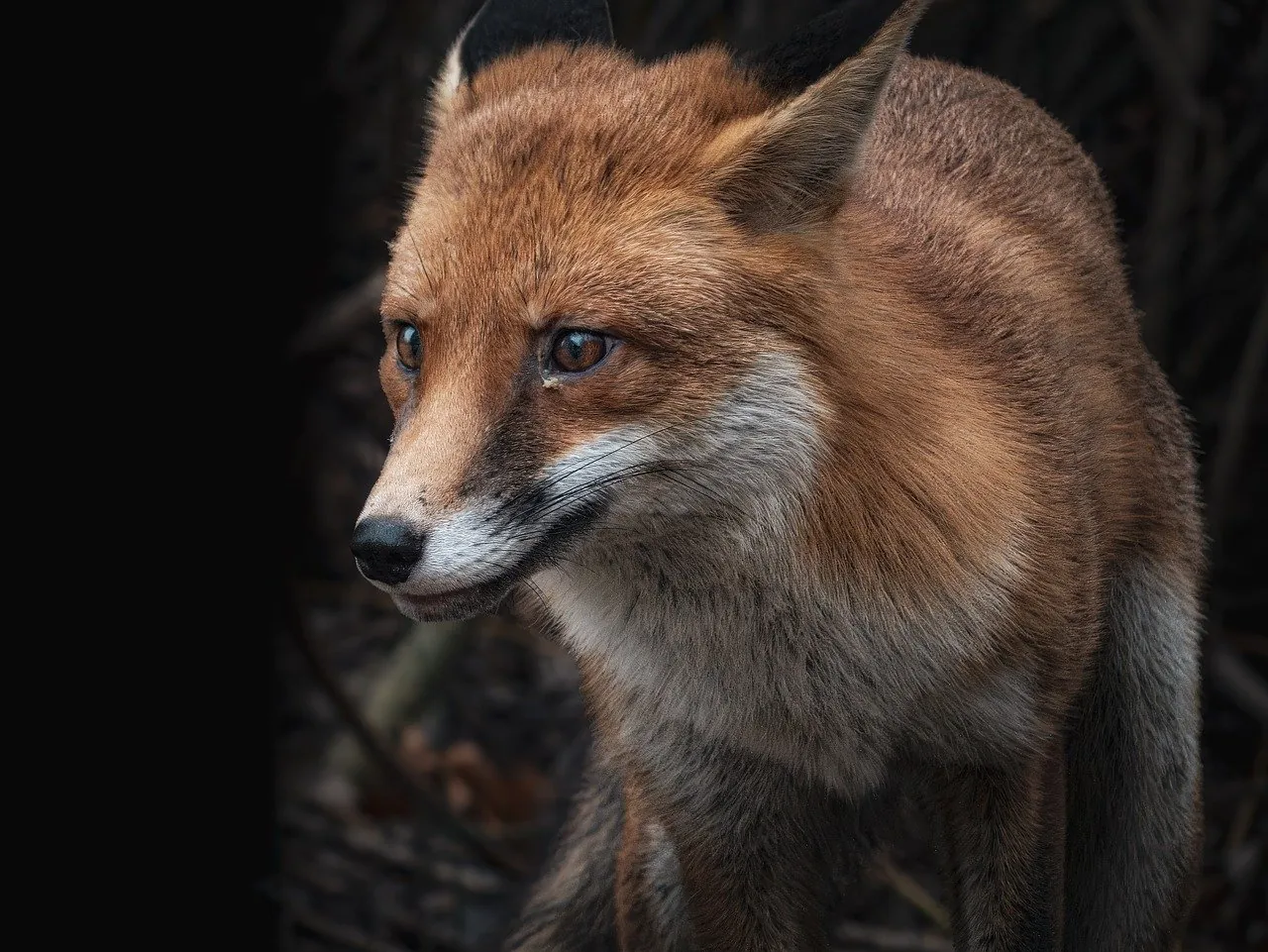
In recent decades, urban environments have become unlikely habitats for a variety of wildlife, including the red fox (Vulpes vulpes). These adaptable animals have increasingly made their homes in cities around the world, from London to New York.
This shift raises fascinating questions about how these typically rural creatures adapt to urban settings.
The Urban Environment: A New Frontier
Urban areas offer a wealth of opportunities and challenges for red foxes. Cities provide abundant food sources due to human waste and smaller prey attracted by urban greenery. However, they also present dangers, such as traffic, pollution, and interactions with humans and their pets. Understanding how city-born red foxes navigate these complexities can offer insights into urban ecology and animal adaptability.
Feeding Habits of Urban Red Foxes
Unlike their rural counterparts, urban red foxes have adapted their feeding habits to thrive amidst skyscrapers and suburbia.
Dietary Shifts
While rural red foxes primarily hunt small mammals like rabbits and rodents, city foxes have diversified their diet. They often consume discarded food, making them effective urban scavengers. A study found that up to 60% of an urban fox's diet can be comprised of human food waste, which includes everything from pizza crusts to leftover sandwiches.
This adaptation is a double-edged sword. On one hand, it allows foxes to exploit the urban food surplus. On the other hand, it poses health risks, as these animals may ingest harmful substances or develop dietary deficiencies if reliant solely on human foods.
Hunting in the Concrete Jungle
City-born red foxes have refined their hunting skills to suit the urban landscape. They often hunt pigeons, rats, and mice that thrive alongside human populations. Interestingly, research has shown that urban foxes are more crepuscular than their rural kin, being most active during twilight hours when human activity diminishes, reducing competition for food and lowering risk from human-related hazards.
Interactions with Human Communities
The presence of red foxes in cities leads to varied interactions with human communities, ranging from harmonious coexistence to conflict.
Cultural Perceptions
In many cultures, foxes are seen as clever and adaptable animals. This perception is mostly positive in urban settings where residents enjoy spotting wildlife amid the urban sprawl. In London, for instance, it's not uncommon for residents to leave out food specifically for 'their' local foxes, treating them almost as semi-wild pets.
Challenges and Conflicts
However, not all interactions are positive. Red foxes can be vectors for diseases such as mange and rabies (though rabies is rare in many urban areas). They may also raid poultry coops or prey on small pets. Educating the public on safely coexisting with these animals—such as securing trash bins and ensuring pets are safe—is crucial in mitigating these conflicts.
Adaptation Strategies: What Makes City-Born Foxes Unique?
The behavioral adaptations of city-born red foxes demonstrate a remarkable evolutionary response to urbanization.
Navigational Skills
Urban foxes display enhanced navigational abilities compared to their rural counterparts. They learn complex routes across busy streets and through diverse urban landscapes by recognizing landmarks such as specific buildings or park features. This spatial awareness helps them avoid dangers like traffic, making them more resilient in city life.
Social Structures
Research indicates that urban foxes may form tighter social groups than rural ones. City living can necessitate closer proximity, leading to the establishment of more defined territories and potentially more complex social interactions. These social structures can assist in collaborative feeding efforts or collective territory defense.
The Role of Urban Planning in Wildlife Management
As cities expand, understanding the dynamics between urban planning and wildlife management becomes increasingly important.
Green Spaces as Habitat Refuges
City planners play a critical role in maintaining biodiversity by integrating green spaces that serve as refuges for various species, including red foxes. Parks, community gardens, and green roofs can provide crucial habitat corridors, enhancing the livability of cities for both human residents and wildlife.
Sustainable Waste Management
Improving waste management systems can minimize the dependency of urban wildlife on human refuse. Secure garbage containers and frequent waste collection can reduce the amount of easily accessible food waste, encouraging wildlife to maintain more natural diets.
Conclusion: Coexisting with Urban Red Foxes
The presence of red foxes in urban environments is a testament to their adaptability and resilience. As cities continue to grow, understanding these animals' behaviors helps us develop strategies for harmonious coexistence. By promoting sustainable urban planning and community education on wildlife interactions, we can ensure that our cities remain vibrant ecosystems supporting diverse life forms.