
Discovering the Hidden Treasures of Mongolia's Gobi Desert
The Enigmatic Allure of the Gobi Desert
Spanning across southern Mongolia and extending into northern China, the Gobi Desert is not just a barren wasteland as many might presume. This vast desert is brimming with hidden treasures that are waiting to be discovered by intrepid travelers.
From its sweeping dunes and rugged mountains to its vibrant culture and rich history, the Gobi Desert offers a unique tapestry of natural and human wonders.
The Landscape: More than Meets the Eye
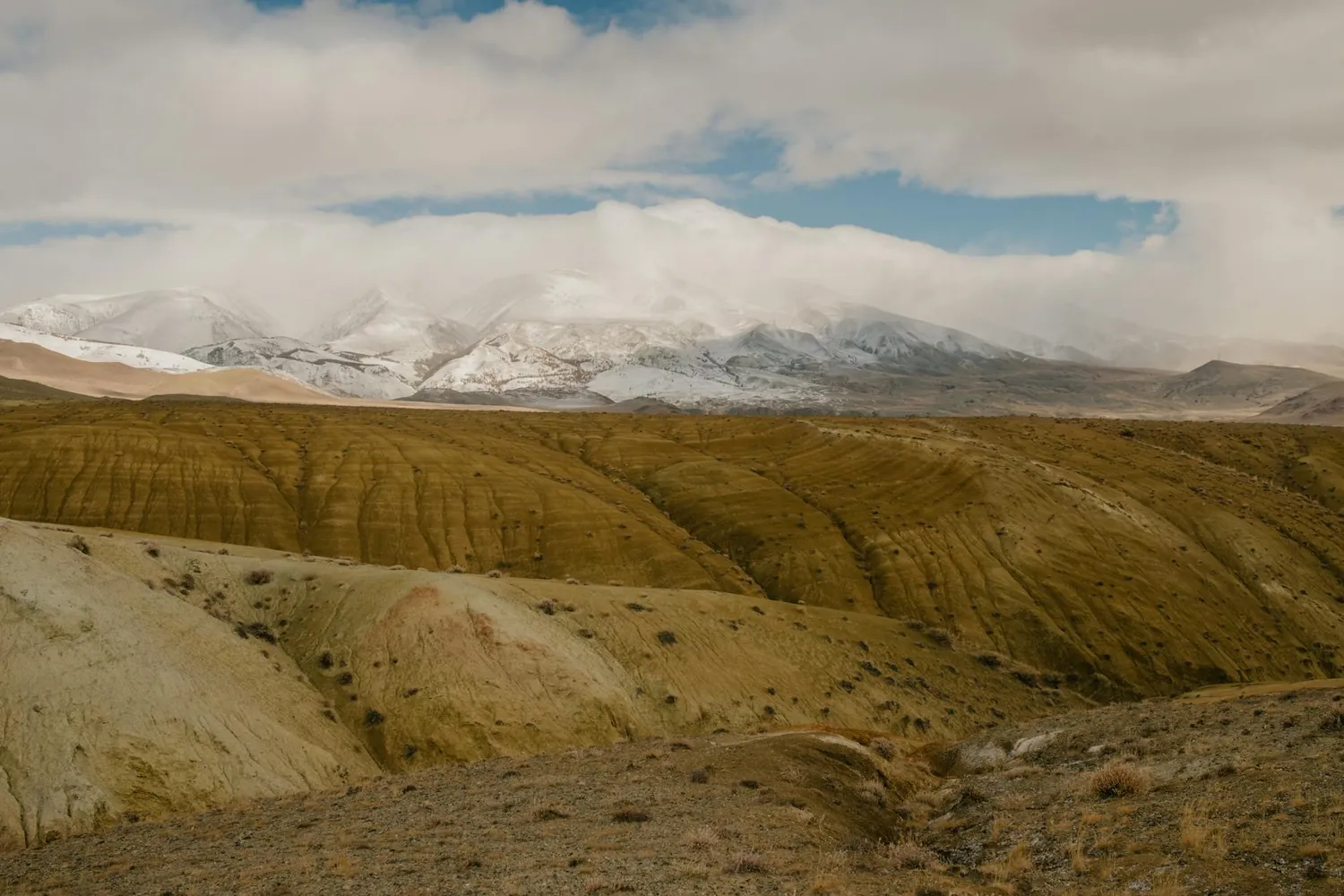
The Gobi Desert is home to diverse ecosystems. Beyond the iconic sand dunes, such as those at Khongoryn Els, the region features steppes, canyons like the Yoliin Am gorge, and picturesque cliffs like the Flaming Cliffs (Bayanzag). These stunning formations offer spectacular views and are a haven for adventurers and photographers alike.
The Gobi's terrain allows for activities like hiking, camel trekking, and even fossil hunting. Travelers can follow in the footsteps of paleontologists at the Flaming Cliffs, where dinosaur fossils were famously discovered in the 1920s by Roy Chapman Andrews.
Cultural Encounters: The Heart of Nomadic Life
One of the most enriching aspects of visiting the Gobi Desert is engaging with its nomadic culture. The people of this region continue to lead traditional lifestyles, herding livestock and living in ger (yurts). A stay with a local family offers an authentic glimpse into their daily lives.
Participating in Local Traditions
Travelers can partake in cultural exchanges by attending local festivals or events like the Naadam Festival, where you can witness archery, wrestling, and horse racing. Another unique experience is joining in a traditional meal, where you may try khorkhog (mutton cooked with hot stones) or airag (fermented mare's milk).
- Respect local customs and dress modestly during your visit.
- Bring small gifts as tokens of appreciation when staying with families.
- Learn basic Mongolian phrases; it goes a long way in fostering connection.
Planning Your Itinerary: Practical Tips for an Unforgettable Journey
To explore the Gobi Desert effectively, a well-planned itinerary is crucial. Due to its remote nature, travelers often embark on guided tours. Working with local guides not only enhances safety but also enriches your understanding of the land and its people.
A Sample Itinerary
Here's a suggested itinerary that balances adventure with cultural immersion:
- Day 1-2: Arrive in Ulaanbaatar. Explore city highlights and prepare for your desert journey.
- Day 3: Travel to Dalanzadgad, the gateway to the Gobi. Visit Yoliin Am gorge for stunning hikes.
- Day 4-5: Head to Khongoryn Els. Experience camel trekking across the dunes and enjoy sunset views.
- Day 6: Visit Bayanzag, the Flaming Cliffs. Learn about its paleontological significance.
- Day 7: Immerse yourself in local life with a homestay, participating in daily activities.
- Day 8: Return to Ulaanbaatar for a farewell dinner and cultural show.
This itinerary allows time to savor each locale without feeling rushed, providing ample opportunity for both adventure and reflection.
Navigating Logistics: Essential Travel Considerations
Traveling through Mongolia's Gobi Desert requires some logistical planning due to its remote nature. Here are key considerations:
Getting There and Getting Around
The starting point for most Gobi trips is Ulaanbaatar. Domestic flights or overland transport by van or 4x4 vehicle are common ways to reach Dalanzadgad. Once in the desert, tours usually provide all necessary transport.
- Check flight schedules as they can vary seasonally.
- If traveling overland, prepare for long drives on rough roads.
Accommodations: From Gers to Guesthouses
Your accommodations will likely vary between traditional gers at campsites and basic guesthouses. While rustic, these provide a comfortable base for exploration and direct insight into nomadic living.
- Book in advance during peak travel months (June-August).
- Expect limited amenities; pack essentials like toiletries and power banks.
Preparing for the Journey: Health and Safety Tips
The desert climate can be harsh with extreme temperatures. Proper preparation ensures a safe and enjoyable trip.
- Pack layers for temperature fluctuations: warm clothing for cool nights and lighter gear for daytime heat.
- Sunscreen, sunglasses, and hats are vital for sun protection.
- Stay hydrated; bring refillable water bottles or purification tablets.
Moreover, travel insurance is advisable to cover any unforeseen incidents or emergencies. Be aware of your health needs as medical facilities are sparse in remote areas.
Conclusion: An Expedition Worth Every Effort
Mongolia's Gobi Desert remains one of the world's last great wildernesses—an enchanting realm of natural beauty and cultural richness. Its hidden treasures lie not just in dramatic landscapes or ancient fossils but in its living traditions and welcoming people. A journey through this captivating region promises an adventure that resonates long after you've returned home.