
Mitigating Human-Wildlife Conflicts: Strategies for Urban Landscapes
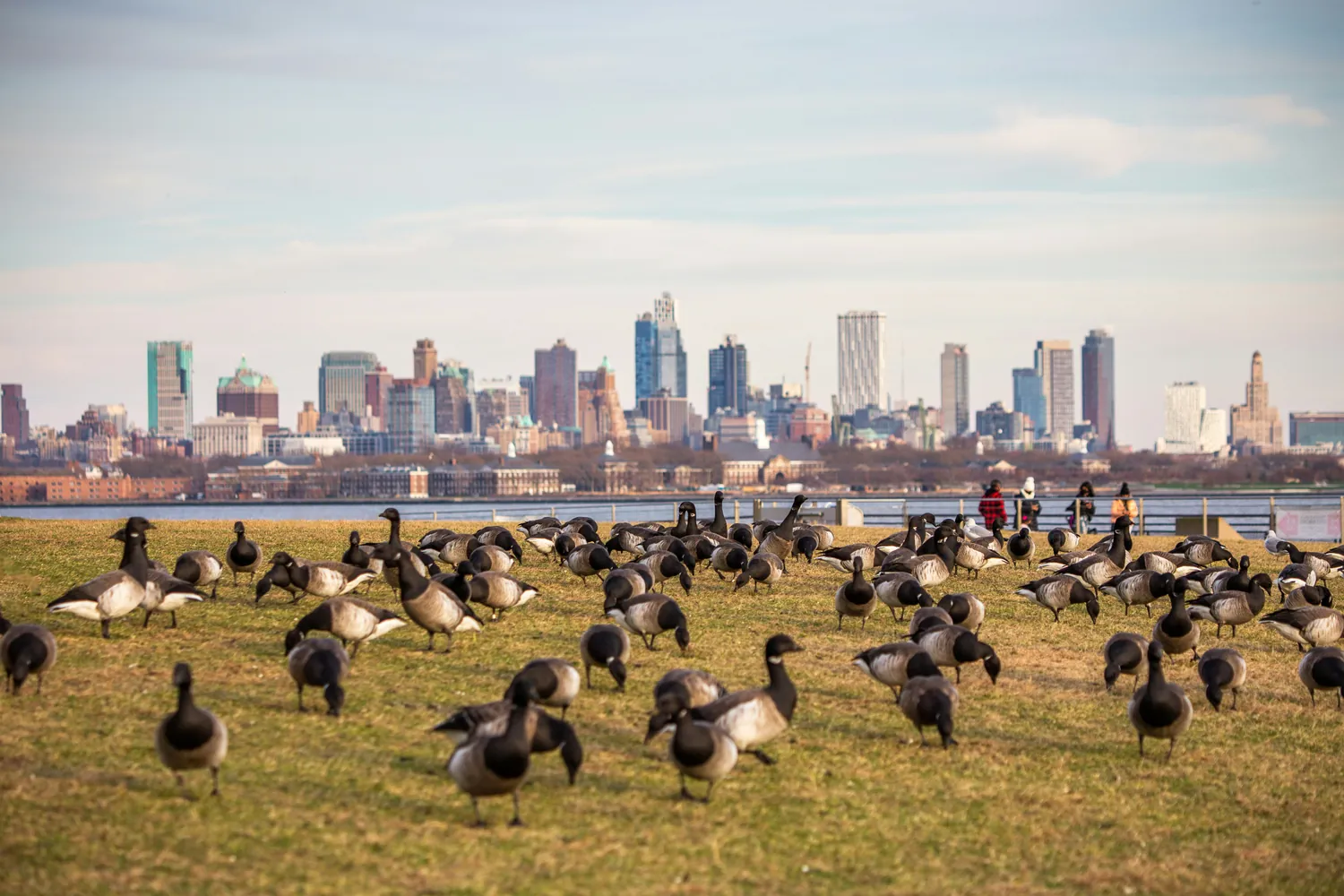
Adapting to Urban Environments: A New Era for Wildlife
The presence of wildlife in urban landscapes is becoming increasingly common as more animal species adapt to the changes wrought by human expansion. While this adaptation signifies remarkable resilience, it also brings forth challenges and opportunities that urban planners must address.
Understanding how species are adapting and the ecological implications can guide effective strategies for mitigating human-wildlife conflicts.
Species Adaptation: Who's Living Among Us?
Urban areas offer a unique set of resources and challenges that drive adaptation among wildlife. Species such as raccoons, foxes, and peregrine falcons are increasingly finding niches within cities. Raccoons, for example, have become adept at navigating trash systems, while peregrine falcons nest on high-rise buildings that mimic their natural cliff habitats. These adaptations not only demonstrate the flexibility of certain species but also highlight potential areas of conflict with humans.
The Ecological Benefits of Urban Wildlife
Despite potential conflicts, the presence of wildlife in urban areas offers substantial ecological benefits. Birds and bats contribute to pest control, reducing the need for chemical pesticides. Pollinators like bees and butterflies support urban gardens and green spaces, enhancing biodiversity. Moreover, urban wildlife can foster a connection with nature among city dwellers, promoting conservation awareness.
- Natural Pest Control: Bats consume significant numbers of insects each night.
- Pollination Services: Bees and butterflies aid in the pollination of urban flora.
- Biodiversity Enhancement: Diverse ecosystems are supported by a variety of species.
Challenges and Solutions in Urban Wildlife Management
While there are benefits, challenges such as property damage, disease transmission, and human safety cannot be ignored. Effective management requires a balanced approach that respects both human needs and wildlife conservation.
Conflict Mitigation Strategies
To address human-wildlife conflicts, several strategies can be implemented:
- Public Education: Educating the public about coexistence strategies can reduce fear and misunderstanding.
- Habitat Modification: Altering urban landscapes to reduce attractants can minimize conflict opportunities. This includes securing garbage bins and managing green spaces thoughtfully.
- Technology Use: Utilizing technology such as wildlife cameras and drones helps monitor wildlife movements and behaviors for better management.
Urban Planning Considerations
Integrating wildlife-friendly practices into urban planning is crucial. This involves creating green corridors and habitat patches that allow safe passage for animals, reducing habitat fragmentation. Planners should collaborate with ecologists to ensure that infrastructure projects consider local wildlife needs.
Framework for Urban Wildlife Management
The following mini-framework offers a practical guide for managing wildlife in urban areas:
- Assessment: Conduct thorough assessments of local wildlife populations and their interactions with human environments.
- Engagement: Involve community stakeholders in discussions about wildlife management to ensure inclusive solutions.
- Implementation: Apply strategies such as creating buffer zones, implementing deterrents, and using wildlife crossings where necessary.
- Monitoring and Review: Continuously monitor wildlife activity and adjust management practices accordingly.
This framework provides a foundation that urban planners, conservationists, and community leaders can adapt to their specific contexts.
A Harmonious Future: Coexistence Goals
The goal of mitigating human-wildlife conflicts in urban settings is not just about reducing negative encounters but fostering a harmonious coexistence where both humans and wildlife thrive. By embracing adaptive strategies and encouraging community involvement, cities can become sanctuaries for biodiversity while meeting the needs of their human inhabitants.