
analyzing the role of social media in modern skincare trends
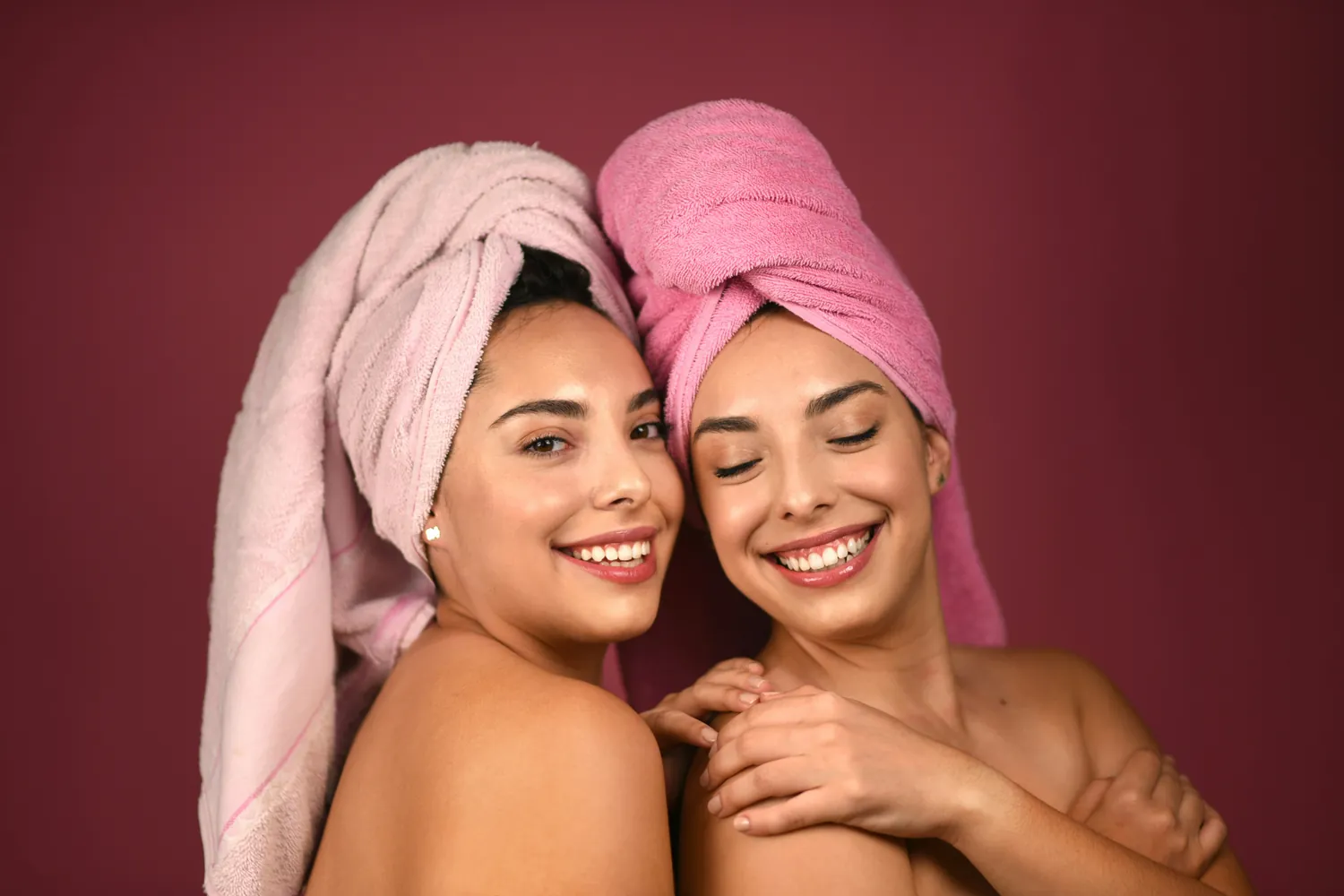
The Evolution of Skincare Trends Through Social Media
Social media has revolutionized the way consumers discover, evaluate, and purchase skincare products. Platforms like Instagram, TikTok, and YouTube have become the epicenters for beauty influencers to share their knowledge, routines, and product reviews.
This shift has given rise to a new era of skincare trends driven by viral content and influencer marketing.
The Rise of the Beauty Influencer
Beauty influencers are individuals who have built a large following on social media by sharing insights into beauty products and routines. These influencers often have backgrounds ranging from professional dermatologists to passionate enthusiasts. Their ability to reach millions with just one post makes them powerful tastemakers in the beauty industry.
A notable example is Hyram Yarbro, known for his straightforward product reviews and skincare advice on platforms like TikTok and YouTube. His influence has been so significant that he sparked the viral 'Hyram-approved' trend, which led to certain products selling out rapidly after being featured in his videos.
Viral Trends: The Power of a Single Post
Social media's rapid sharing capabilities allow trends to spread like wildfire. One such trend is the fascination with multi-step Korean skincare routines, popularized by influencers showcasing detailed daily regimes that include up to ten steps. This trend spurred many Western brands to release products inspired by K-beauty.
Another viral moment occurred with the rise of ingredient-focused skincare. The hashtag #niacinamide, for instance, began trending after influencers highlighted its benefits for brightening skin and treating acne. Consequently, searches for niacinamide-based products skyrocketed, as did sales.
Successful Campaigns Shaped by Social Media
Brands have recognized the potential of social media campaigns orchestrated by influencers. A successful campaign usually includes influencer partnerships, user-generated content, and strategic hashtag use. Here's a breakdown of how these elements come together:
- Influencer Partnerships: Collaborating with influencers to create authentic content that resonates with their audience.
- User-Generated Content: Encouraging followers to share their experiences using specific branded hashtags, thus widening reach organically.
- Hashtag Strategy: Crafting memorable and relevant hashtags that encapsulate the campaign's message.
Case Study: The Impact of #TheOrdinary on Skincare Marketing
The Ordinary, a brand known for its minimalist approach and transparency about ingredients, utilized influencer collaborations and strong online engagement to foster trust and educate consumers. By partnering with influential voices who explained how to incorporate products like their Niacinamide 10% + Zinc 1% serum into daily routines, The Ordinary achieved massive success without traditional advertising.
Understanding Consumer Preferences Through Data
Social media platforms provide invaluable data analytics that brands use to understand consumer behavior and preferences. By analyzing metrics such as engagement rates, comments, and shares, brands can gauge which products or ingredients resonate most with their audience. This information is crucial for product development and marketing strategies.
Feedback Loop: Engaging with Customers
Platforms like Instagram not only allow brands to showcase their products but also offer an avenue for real-time customer feedback. Many brands actively engage with followers through comments and direct messages, fostering a community-driven approach that enhances brand loyalty.
One practical tip for brands is to utilize Instagram Stories' interactive features like polls and question stickers to gain insight into customer preferences directly from their audience. This feedback loop helps in tailoring future campaigns more effectively.
The Future of Skincare Trends on Social Media
As technology evolves, so too will the ways in which social media influences skincare trends. With advancements in augmented reality (AR), users can virtually try on products before purchasing, further bridging the gap between digital interaction and physical experience.
Moreover, as sustainability becomes a focal point for consumers, influencers who advocate for eco-friendly practices in their skincare routines are gaining traction. This shift points towards a future where transparency and sustainability are key drivers of consumer preference.
Navigating Misinformation
Despite the many positives of social media influence in skincare, misinformation remains a challenge. It's crucial for consumers to critically evaluate the information they receive from social media. Here’s how to ensure accuracy:
- Verify information with multiple trusted sources.
- Consult professionals or dermatologists when trying new ingredients or products.
- Avoid impulse purchases based solely on influencer recommendations without proper research.
Conclusion: The Dynamic Relationship Between Social Media and Skincare
The relationship between social media and skincare is dynamic and continually evolving. As platforms adapt and new influencers emerge, their role in shaping skincare trends will undoubtedly grow even stronger. For consumers, staying informed and discerning remains essential in navigating this landscape effectively.