
Innovative Approaches to Enhancing Biodiversity in City Landscapes
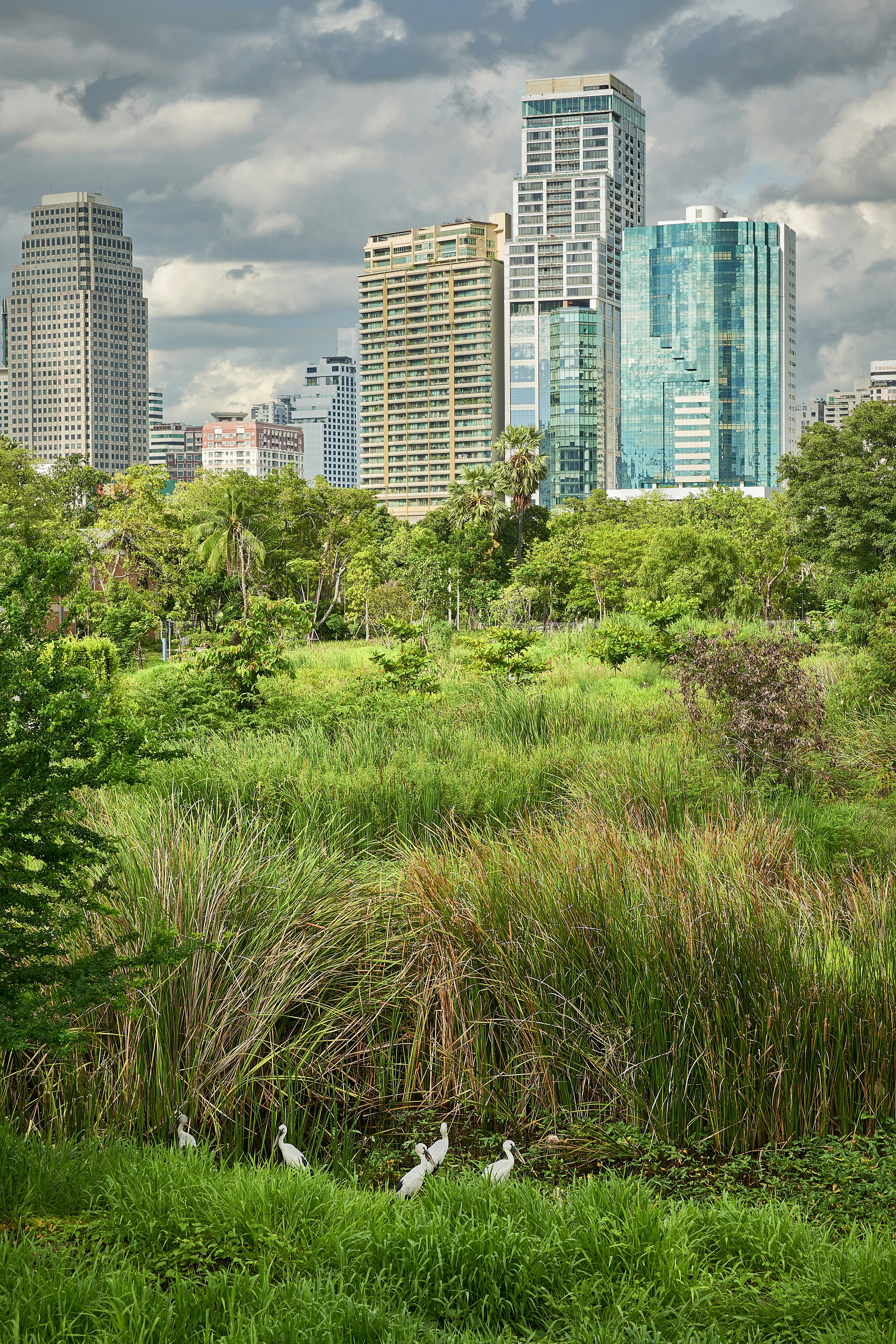
Reimagining Urban Landscapes: The Power of Rewilding
The idea of rewilding urban areas has been gaining traction as cities look for sustainable ways to support biodiversity and enhance the quality of life for residents. These initiatives aim to transform underutilized or neglected spaces into thriving ecosystems that can support a variety of plant and animal species.
By integrating native plants and wildlife into the urban fabric, cities can create resilient environments that offer ecological, social, and economic benefits.
Case Study: The High Line, New York City
One of the most iconic examples of urban rewilding is the High Line in New York City. This elevated railway track, which had been abandoned since the 1980s, was transformed into a linear park that runs for 1.45 miles along Manhattan's West Side. Opened in stages starting in 2009, the High Line now serves as a habitat for over 300 species of plants, attracting pollinators like bees and butterflies, as well as birds and other small wildlife.
The success of the High Line lies in its design approach. It uses a planting strategy called matrix planting, which involves grouping plants in dense patterns that mimic natural ecosystems. This not only helps in reducing maintenance costs but also provides a year-round habitat for wildlife. The project's emphasis on using native species ensures that it is self-sustaining and supports local biodiversity.
Steps to Transform Vacant Lots into Biodiversity Hubs
Transforming a vacant lot into a biodiversity hub involves several key steps:
- Assessment: Begin by evaluating the site to understand its current condition, soil quality, and existing vegetation. Identify any environmental hazards or pollution that may need remediation.
- Design: Work with ecologists and landscape architects to develop a plan that incorporates native plants suitable for the local climate. Consider incorporating elements like ponds or rain gardens to manage stormwater naturally.
- Implementation: Start with soil improvement techniques such as composting or introducing mycorrhizal fungi to support plant growth. Plant diverse species in layers to create varied habitats.
- Community Engagement: Engage local communities in the planning and maintenance process to foster a sense of ownership and stewardship. This can be achieved through workshops, volunteer planting days, and educational programs.
The Role of Technology in Urban Rewilding
Advancements in technology have provided new tools for enhancing urban biodiversity. Drones and remote sensing technologies can be used to monitor changes in vegetation cover and wildlife activity over time. These technologies allow city planners to assess the effectiveness of rewilding projects and make data-driven decisions.
Moreover, citizen science apps enable residents to document species sightings, contributing valuable data that can inform conservation efforts. Apps like iNaturalist encourage community involvement by allowing users to record and share observations, thereby increasing awareness and engagement with local biodiversity.
Benefits Beyond Biodiversity
While the primary goal of urban rewilding is to increase biodiversity, these projects offer a myriad of additional benefits:
- Climate Regulation: Vegetated areas help mitigate urban heat islands by providing shade and cooling through evapotranspiration. This can reduce energy demand for air conditioning in nearby buildings.
- Health and Wellbeing: Access to green spaces has been linked to improved mental health, providing residents with opportunities for relaxation and recreation amidst nature.
- Economic Opportunities: Rewilded areas can boost local economies by attracting tourism and increasing property values. They also provide job opportunities in landscape management and eco-tourism sectors.
Challenges and Considerations
Despite the potential benefits, urban rewilding projects face several challenges:
- Funding: Securing financial resources is often a significant barrier. Partnerships with NGOs, businesses, and government bodies are crucial for project funding.
- Maintenance: Although native plantings require less maintenance than traditional lawns, some level of ongoing care is necessary to control invasive species and ensure ecosystem health.
- Public Perception: Changing public attitudes towards more 'natural' landscapes can be challenging, as some people may perceive these areas as messy or unkempt compared to manicured parks.
Conclusion: A Collective Effort Towards Sustainability
The successful transformation of city landscapes through rewilding requires collaboration between city planners, ecologists, landscape architects, and local communities. By embracing these innovative approaches, cities around the world can create greener, more sustainable environments that benefit both people and wildlife. As urban populations continue to grow, the importance of integrating biodiversity into city planning becomes increasingly evident—not only as a means of preserving nature but also as a strategy for enhancing urban resilience and livability.