
The Healing Power of Art Therapy for Those Facing Trauma
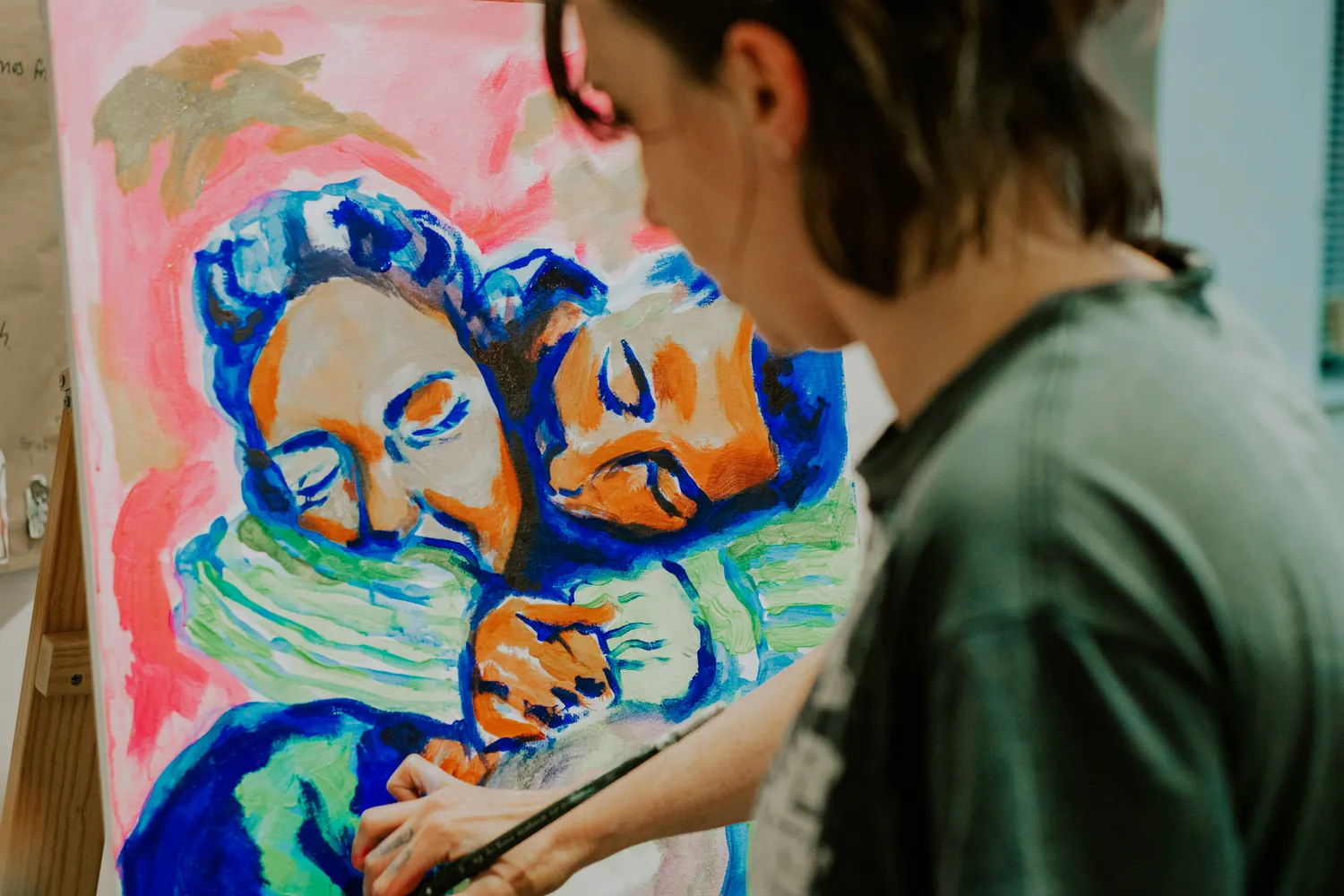
The Transformative Potential of Art Therapy
Art therapy, a burgeoning field combining creative processes with psychotherapeutic techniques, offers a unique avenue for trauma survivors to process their experiences. This therapeutic approach allows individuals to explore emotions and memories that might be difficult to articulate verbally.
Through the medium of art, those facing trauma can express themselves in a safe and supportive environment, fostering healing and psychological resilience.
Understanding Trauma and Its Impacts
Trauma can stem from various sources, including physical or emotional abuse, war, natural disasters, or loss of a loved one. The impact of trauma on the human psyche can be profound, often resulting in anxiety, depression, post-traumatic stress disorder (PTSD), and other psychological conditions. Traditional talk therapy has been effective for many; however, some individuals find it challenging to discuss their experiences directly.
The Role of Art in Healing
Art therapy leverages the creative process as a bridge to facilitate communication between the unconscious and conscious mind. By engaging in art-making, individuals can project their internal world onto paper or canvas, creating tangible representations of their feelings and experiences. This externalization is crucial as it allows clients to gain distance and perspective on their trauma.
Case Studies: Art Therapy in Action
Case Study 1: Overcoming Childhood Trauma
One powerful example involves a young woman named Sarah, who experienced childhood abuse. Traditional therapy sessions left her feeling vulnerable and exposed, making it difficult to make progress. Her therapist suggested art therapy as an alternative. In these sessions, Sarah used painting to depict her emotions. The swirling colors and chaotic brushstrokes mirrored her internal turmoil.
Over time, Sarah's paintings evolved. She began incorporating more structured patterns and calmer color palettes, reflecting an emerging sense of control and peace. Through this non-verbal dialogue, Sarah was able to gradually confront and integrate her traumatic memories, significantly reducing her PTSD symptoms.
Case Study 2: Veterans Coping with War-Related Trauma
For veterans returning from combat, the transition to civilian life can be fraught with challenges, particularly for those with PTSD. Art therapy programs have been established in many veterans' hospitals as part of comprehensive treatment plans. Take the example of John, a former soldier struggling with intense flashbacks and anxiety.
John participated in group art therapy sessions where he created sculptures from clay. The tactile nature of the work grounded him in the present moment, providing relief from intrusive memories. His pieces often depicted fragmented landscapes and figures – a representation of his shattered sense of self. Through continued practice and group discussion about their artworks, John and his peers found solidarity and support, leading to improved mental health outcomes.
Practical Tips for Implementing Art Therapy
- Create a Safe Space: Ensure the environment is non-judgmental and supportive, encouraging freedom of expression without fear of critique.
- Select Appropriate Materials: Offer a variety of art supplies to accommodate different preferences. Some may find painting liberating, while others prefer collage or sculpture.
- Focus on Process Over Product: Emphasize the importance of the creative journey rather than the final artwork. This encourages experimentation and reduces performance pressure.
- Facilitate Reflection: Encourage participants to reflect on their artworks and the emotions they evoke. This can be done through journaling or group discussions.
The Science Behind Art Therapy
Neuroscientific research supports the efficacy of art therapy in trauma recovery. Creative activities stimulate regions of the brain associated with emotion regulation and problem-solving. Engaging with art also promotes neuroplasticity, helping trauma survivors rewire neural pathways affected by distressing experiences.
Emotional Regulation and Self-Expression
The act of creating art activates the brain's limbic system, which is involved in emotional processing. This activation helps individuals regulate emotions and reduces stress levels. Moreover, the visual nature of art can bypass cognitive defenses that often inhibit verbal expression.
Building Resilience Through Creativity
Art therapy fosters resilience by empowering individuals to tell their stories through metaphor and symbolism. This process not only aids in meaning-making but also strengthens coping mechanisms by encouraging new ways of thinking about challenges.
Conclusion: Art as a Pathway to Healing
The therapeutic use of art offers a profound opportunity for healing among trauma survivors. By facilitating expression in a safe space, art therapy addresses the psychological wounds that traditional methods sometimes fail to reach. As more studies emerge supporting its benefits, art therapy will continue to gain recognition as a vital component in trauma recovery strategies.