
Traditional Themes in Today's Artwork: A Comparative Analysis
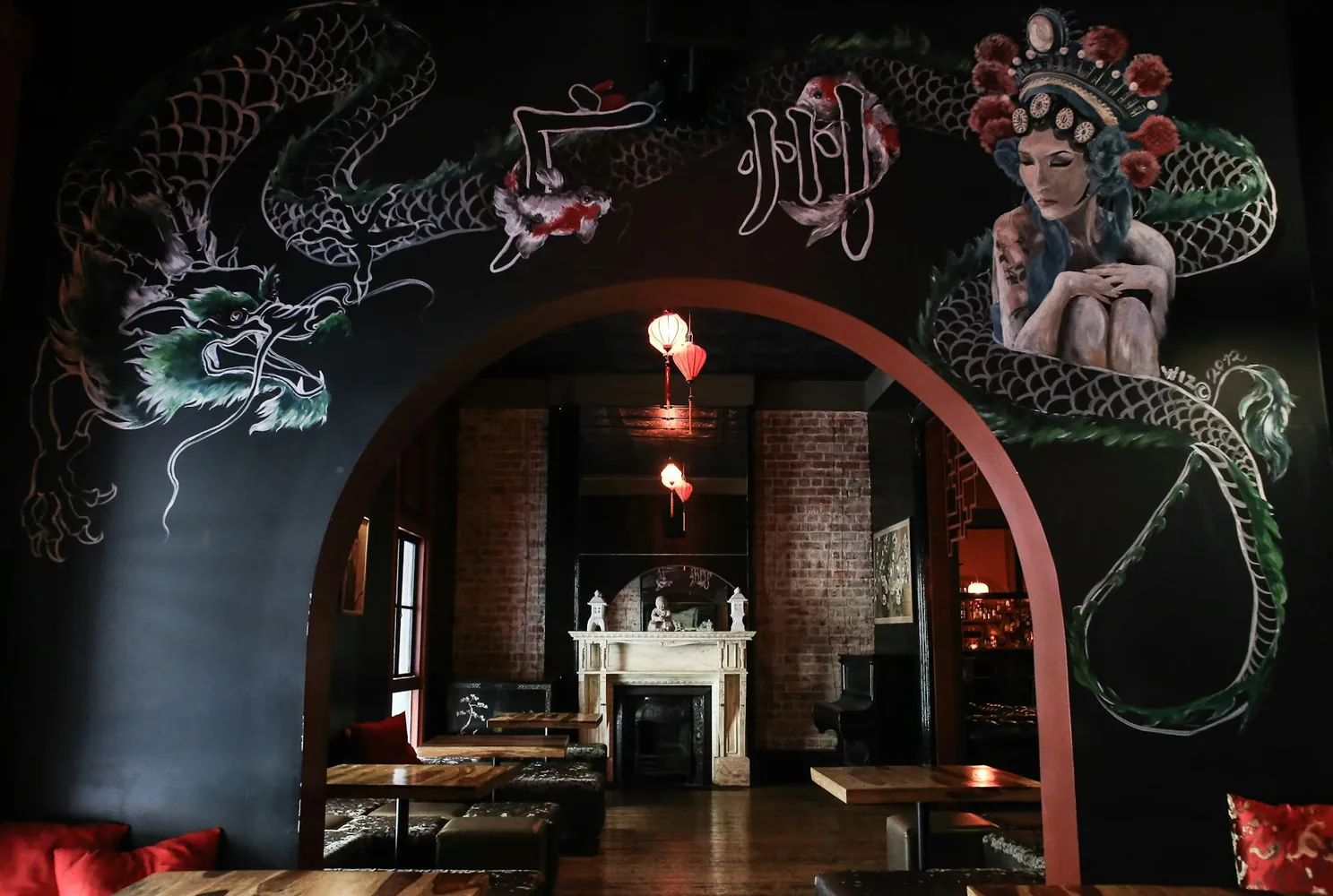
The Continuity of Tradition in Modern Art
Art has always been a reflection of the times, mirroring the values, challenges, and dreams of the societies it emerges from. Yet, even as contemporary art forges new paths, many artists find themselves drawn to the traditions of their cultural heritage.
The interplay between the past and present creates a rich tapestry where tradition informs innovation.
Understanding Cultural Inspirations
Artists often draw deeply from their cultural backgrounds, using traditional themes as a foundation upon which they build modern artistic expressions. These cultural roots provide not only aesthetic inspiration but also conceptual depth, allowing artists to comment on contemporary issues through the lens of historical narratives.
Case Study: El Anatsui
Ghanaian sculptor El Anatsui exemplifies this fusion of traditional and modern themes. Anatsui is renowned for his large-scale sculptures crafted from bottle caps and other found objects. His work draws on traditional Ghanaian cloth patterns, blending them with a modern commentary on consumerism and globalization. This juxtaposition speaks to both the enduring cultural practices of weaving and the transience of modern materialism.
The Influence of Japanese Ukiyo-e on Modern Design
Japanese ukiyo-e prints have significantly influenced modern art and design. Artists like Hokusai and Hiroshige have inspired countless contemporary creators. Their use of vibrant colors, bold outlines, and unique perspectives are echoed in modern graphic design and street art. By analyzing this impact, we see how traditional Japanese aesthetics continue to shape contemporary visual culture.
Reimagining Traditional Symbols
Many artists reinterpret traditional symbols to reflect contemporary realities. This process involves both preserving the symbolic meaning and updating its context.
The Work of Frida Kahlo
Frida Kahlo's paintings are imbued with Mexican folklore, yet her approach was revolutionary. She utilized traditional symbols such as monkeys, skulls, and native plants, embedding them within deeply personal narratives that explored identity, gender, and post-colonial themes. Kahlo’s work demonstrates how traditional symbols can be recontextualized to address modern personal and political issues.
Indigenous Australian Art: A Dialogue with Nature
In Australia, indigenous artists have long been custodians of a visual language that connects them to their land and ancestors. Contemporary indigenous artists often use traditional techniques like dot painting to depict current environmental concerns or social issues. These works maintain a dialogue with their history while advocating for the preservation of their cultural heritage and natural environment.
The Process of Integrating Tradition in Contemporary Art
The integration of traditional themes into modern artwork is not merely a superficial borrowing; it is a complex process that requires respect and deep understanding.
- Research: Artists must thoroughly research their cultural heritage to authentically incorporate traditional elements. This includes studying historical artworks, learning about the significance of specific motifs, and understanding the sociopolitical contexts in which they were created.
- Experimentation: With knowledge in hand, artists experiment with materials and techniques. This experimentation may involve combining traditional methods with digital tools or mixing media to explore new aesthetic possibilities.
- Dialogue: Engaging in dialogue with peers, scholars, and community members can provide valuable feedback. This collaborative approach ensures that the reinterpretation remains respectful and insightful.
A Modern Example: Yinka Shonibare
Yinka Shonibare, a British-Nigerian artist, employs brightly colored Dutch wax fabrics in his sculptures, installations, and photographs. While these fabrics are associated with African identity, their origin is colonial trade routes. Shonibare's work critically examines race, globalization, and post-colonialism through this medium, showcasing how traditional motifs can be employed to question historical narratives.
The Impact of Tradition on Artistic Innovation
By drawing from tradition, contemporary artists not only preserve cultural heritage but also stimulate innovation. Tradition provides a stable framework within which artists can take creative risks and push boundaries.
The Role of Craftsmanship
Incorporating traditional craftsmanship into modern art practice fosters a deeper appreciation for skills that have been honed over generations. This return to craftsmanship counters the mass-produced nature of much modern life, offering audiences a tactile connection to the work.
Take, for example, ceramist Grayson Perry, who uses traditional pottery techniques combined with subversive contemporary narratives to challenge societal norms around gender and class.
The Future of Traditional Themes in Art
As global interconnectedness continues to evolve, the blending of traditional themes with contemporary practices will likely intensify. Artists today are more equipped than ever to engage with multiple traditions simultaneously, creating artworks that are rich in diversity and cross-cultural dialogues.
Cultural Appropriation vs. Appreciation
It's crucial for contemporary artists to navigate the line between cultural appropriation and appreciation carefully. Authentic engagement with cultural heritage involves acknowledging original contexts and respecting the sources from which they draw inspiration.
When done thoughtfully, the integration of traditional themes into contemporary art enriches both the creator and the viewer by fostering understanding across cultures and time periods.