
Incorporating Honey into Your DIY Facial Masks Effectively
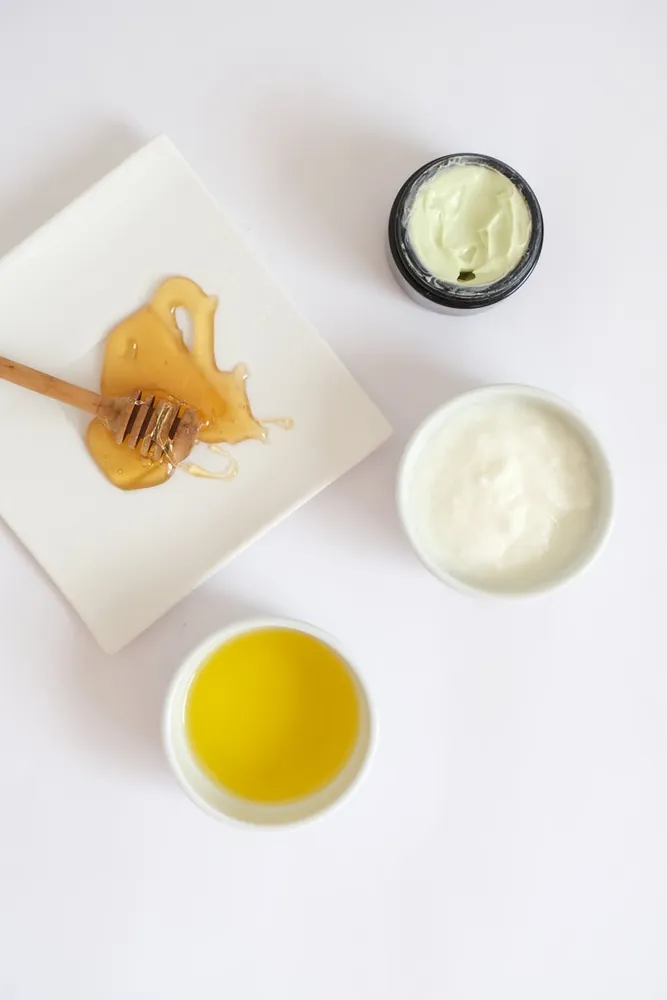
The Benefits of Honey for Skincare
Honey has been revered in skincare for centuries, thanks to its antibacterial, antioxidant, and moisturizing properties. Its versatility makes it a staple ingredient in various beauty routines, especially in homemade facial masks. Let's delve into the specifics of what makes honey so effective.
Antibacterial Properties
Honey is naturally antibacterial, which means it can help cleanse the skin by removing impurities and preventing acne-causing bacteria. This makes honey an excellent choice for those who struggle with breakouts and want a natural alternative to harsher chemical treatments.
Moisturizing Effects
The humectant nature of honey helps retain moisture without making the skin oily. This makes it suitable for all skin types, particularly dry or dehydrated skin. By drawing moisture into the skin, honey helps maintain a plump and healthy complexion.
DIY Honey Facial Masks: Techniques and Tips
Creating your own facial masks with honey is both simple and rewarding. Here are some recipes and methods to incorporate honey into your skincare routine effectively:
Pure Honey Mask
This is the simplest method: using raw honey directly on your face. Spread a thin layer over clean skin and leave it on for 20-30 minutes before rinsing with lukewarm water. This mask is perfect for a quick hydration boost.
Honey and Oatmeal Exfoliating Mask
- 1 tablespoon of honey
- 1 tablespoon of ground oatmeal
Mix the honey and oatmeal to form a paste. Apply it in circular motions to gently exfoliate your skin. The oatmeal adds a gentle abrasive texture that helps remove dead skin cells, while honey soothes and moisturizes.
Honey and Yogurt Brightening Mask
- 1 tablespoon of honey
- 1 tablespoon of plain yogurt
Combine the ingredients and apply to your face. The lactic acid in yogurt works with the honey to brighten the complexion and reduce pigmentation over time.
Comparing Honey Masks to Conventional Skincare Products
While commercial skincare products are formulated with precise concentrations of active ingredients, DIY masks offer customization and simplicity.
Advantages of Honey Masks
- Natural Ingredients: Free from artificial additives and preservatives.
- Cost-Effective: Often cheaper than store-bought masks.
- Customizable: Easily adjust ingredients to suit individual needs.
Potential Drawbacks
- Lack of Consistency: Results can vary based on ingredient quality and combination.
- Shelf Life: Homemade masks lack preservatives, reducing their longevity.
Conventional products, on the other hand, offer consistency and longer shelf life, but may contain synthetic chemicals that aren't always compatible with sensitive skin.
When to Use Each Approach
The choice between DIY honey masks and conventional products depends on personal preferences, budget, and skincare goals.
For Sensitive Skin
If you have sensitive skin prone to irritation, opting for natural honey masks may be beneficial due to their minimal ingredient list.
For Targeted Treatments
If you're targeting specific concerns such as severe acne or aging signs, conventional products might provide more potent results due to their specialized formulations.
Practical Tips for Using Honey in Skincare
- Patch Test: Always test new mixtures on a small skin area to avoid adverse reactions.
- Select Raw Honey: Use raw or organic honey to ensure maximum benefits without added sugars or preservatives.
- Avoid Overuse: While beneficial, using honey too frequently can overwhelm the skin; limit use to 2-3 times per week.
In conclusion, honey can be a valuable addition to any skincare regimen. Whether you choose to make your own facial masks or stick with commercial options, understanding how to harness the benefits of honey will help you achieve healthier, more radiant skin.