
A Comprehensive Manual for Building Your Own Acoustic Guitar
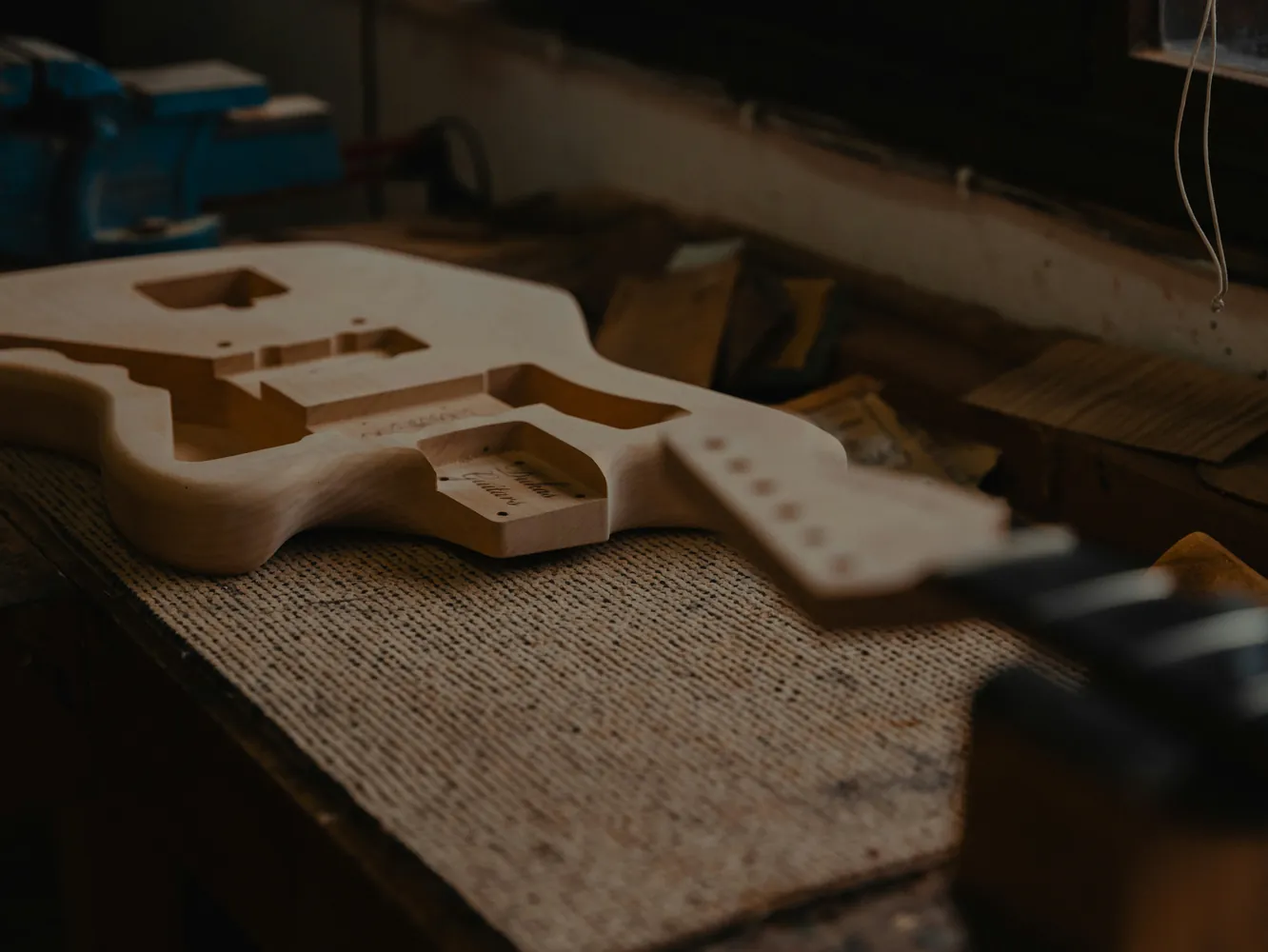
Gathering Materials: The Foundation of Your Guitar
Building an acoustic guitar is akin to constructing a fine piece of art. The first step in this intricate process is gathering the right materials. Each component plays a crucial role in the guitar's overall sound and appearance. Here's a detailed breakdown:
- Wood Selection: The choice of wood greatly influences the tone and resonance of your guitar. For the soundboard, consider spruce or cedar, as these woods are known for their vibrant tonal qualities. Maple, mahogany, or rosewood can be used for the back and sides, providing depth and warmth to the sound.
- Fretboard: Ebony and rosewood are popular choices for fretboards due to their durability and smooth playability.
- Neck Wood: Typically made from mahogany or maple, the neck should complement the body woods in terms of tone.
- Glue: High-quality wood glue is essential for joining parts together seamlessly. Hide glue is often preferred by luthiers for its superior bonding properties and ease of disassembly if repairs are needed.
- Finishing Materials: Lacquer or oil finishes not only protect the wood but also enhance its natural beauty. Consider nitrocellulose lacquer for a classic sheen.
The Importance of Quality in Material
Investing in high-quality materials is crucial. Poor quality wood can lead to structural issues and inferior sound quality. Visit local lumber yards or specialty shops that cater to luthiers, as they often provide a range of options suited for guitar building.
Choosing the Right Tools
With materials in hand, it’s time to focus on acquiring the necessary tools. While some power tools can expedite the process, traditional hand tools offer precision that many craftsmen prefer.
- Saws: A bandsaw or a coping saw is ideal for cutting body shapes with accuracy.
- Chisels: Sharp chisels are indispensable for detailed work, especially when carving bracing or shaping the neck.
- Plane: Use a block plane or a finger plane for smoothing and shaping wood surfaces.
- Sanding Blocks: Essential for refining surfaces, ensure you have a variety of grits available.
- Clamps: Various clamps will help hold pieces firmly in place during gluing.
- Dremel Tool: For intricate inlays and small adjustments, a Dremel tool can be invaluable.
If you are new to woodworking, consider taking a brief course to familiarize yourself with these tools. Safety should always be your top priority; wear protective eyewear and follow tool operation guidelines strictly.
The Step-by-Step Construction Process
This section will guide you through each major phase of building your acoustic guitar, ensuring that no detail is overlooked.
1. Designing the Guitar
The design process begins with selecting a shape and style. Traditional dreadnoughts, concert, and parlor models each offer distinct tonal characteristics. Create full-scale plans on paper before transferring them to your chosen wood.
2. Constructing the Body
The body consists of several components:
- Soundboard (Top): Begin by cutting your selected wood into the desired shape. Install braces underneath using hide glue; these braces support the structure and influence sound projection.
- Back and Sides: Bending the sides requires careful heating using a bending iron or pipe. Secure these curved pieces to a mold to retain their shape as they cool. Once ready, attach the sides to the back using glue and clamps.
Ensure all joints are flush and aligned correctly to prevent air leaks that could affect sound quality.
3. Assembling the Neck
The neck involves detailed craftsmanship:
- Create the neck blank using your chosen wood, shaping it carefully with planes and rasps.
- Add the truss rod, a crucial component allowing adjustments to the neck's curvature over time.
The headstock design is both functional and aesthetic—consider unique shapes or personalized inlays here.
4. Attaching the Fretboard
Carefully slot the fretboard for frets. Align it precisely on the neck before securing it with glue. Installing frets requires precision; ensure each fret is hammered gently into place without causing any damage to the board.
5. Finishing Touches
Smooth all surfaces using fine-grit sandpaper, preparing the wood for finishing. Apply several coats of your chosen finish, allowing ample drying time between layers for optimal sheen and protection.
Tuning and Final Assembly
Once assembled and finished, it's time to add hardware such as tuners, bridge pins, and a saddle:
- Tuners should match your headstock design while providing stable tuning performance.
- The bridge must align perfectly with the saddle and strings to ensure proper intonation and action height.
Tuning Your Masterpiece
The final step involves stringing your guitar and fine-tuning it to perfection. Initially, strings may stretch and detune frequently, but regular playing will stabilize this over time.
Caring for Your Acoustic Guitar
A well-maintained guitar can last generations:
- Store it in a case when not in use to prevent dust accumulation and physical damage.
- Avoid extreme temperatures and humidity levels; these can warp wood and affect sound quality.
A Rewarding Journey
Building an acoustic guitar from scratch is more than just craftsmanship—it's a journey into understanding music at its core. Each strum on your self-made instrument is a testament to hours of dedication and skill development. Take pride in each note that resonates from this unique creation.