
Street Music: A Catalyst for Social Cohesion in City Life
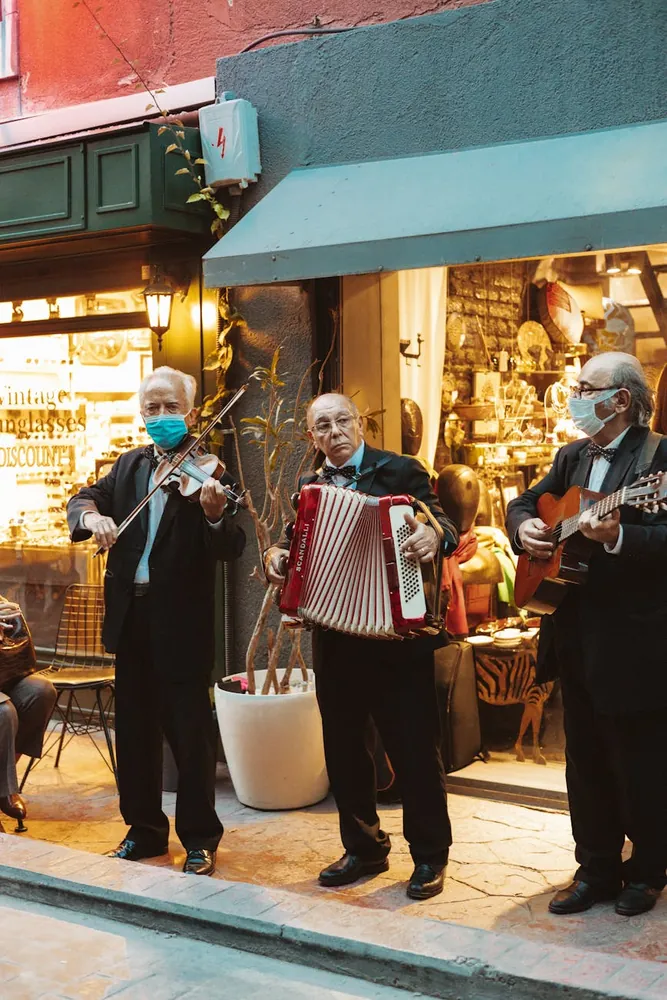
The Role of Street Music in Urban Landscapes
Street music, a vibrant thread woven into the urban tapestry, is more than just a fleeting melody in a bustling city street. Cities like New Orleans and Nashville are iconic for their live street performances, which contribute significantly to their unique cultural identities.
These spontaneous concerts not only attract tourists but also enhance the social fabric of the urban environment.
Street musicians, or buskers, serve as catalysts for community spirit. Their performances turn ordinary sidewalks into lively venues where people pause to enjoy a shared experience. This public interaction fosters a sense of belonging and encourages connections among diverse groups of city dwellers and visitors.
New Orleans: Jazz on Every Corner
In New Orleans, the sound of jazz is omnipresent, echoing through the streets and squares. Local musician Henry Dupree, a veteran trumpeter, explains how his performances in the French Quarter are more than just gigs—they are community rituals. "Every day, I see faces light up as they listen to my music. It's an incredible feeling to know that you can bring joy to someone’s day with just a tune," Henry shares.
His story is not unique. Many musicians in New Orleans find that their art draws not only crowds but also fosters a deeper community bond. The organic nature of street performances allows for a genuine connection that transcends economic transactions.
Nashville: Country Rhythms and Community Roots
Nashville's Broadway is famous for its honky-tonks, but it's the street performers who offer a more accessible taste of the city's musical heritage. Whether it’s a lone guitarist singing soulful ballads or a bluegrass band playing upbeat tunes, street musicians bring an authentic flavor of Nashville’s rich musical traditions directly to the people.
Musician Alice Parker, known for her powerful country vocals, performs regularly on Broadway. She notes, "Street music breaks down barriers. People stop, listen, and often end up talking with strangers about the music. It builds an immediate sense of camaraderie." This spontaneous social interaction is a key element in nurturing urban social cohesion.
The Economic Impact of Street Music
Street music doesn't just have social benefits; it has significant economic implications too. Tourism is one of the primary sectors boosted by street performances. Visitors are drawn to cities with vibrant street cultures and often extend their stays to experience more of what these urban centers have to offer.
- Attracting Tourism: According to a study by the New Orleans Cultural Economy Office, street performers contribute to tourism by creating lively atmospheres that encourage tourists to explore more areas of the city.
- Support for Local Businesses: Cafes and shops located near popular busking spots often see increased foot traffic, as people stop to watch and listen.
Local business owner Janet Lee, who runs a cafe near Jackson Square in New Orleans, observes, "The musicians bring in so many customers. People come in for coffee and stay longer because they enjoy the music outside." This mutually beneficial relationship showcases how art can drive local economies.
How to Support Street Music Culture
To nurture the thriving culture of street music, cities can adopt several practices:
- Create Designated Busking Areas: By providing specific spots for street performances, cities can ensure safety for both artists and audiences while maintaining an orderly urban flow.
- Simplify Licensing Processes: Musicians often face bureaucratic hurdles when it comes to obtaining licenses. Simplifying this process can encourage more performers to take their art to the streets.
Cities like Melbourne have implemented effective systems for supporting street performers by providing clear guidelines and designated performance areas, making it easier for musicians to contribute to the city's culture.
A Practical Framework for Musicians
For musicians looking to thrive as street performers, here’s a mini-framework:
- Select Your Location Wisely: Choose areas with high foot traffic but avoid places that might obstruct pedestrian pathways.
- Cultivate Audience Engagement: Make eye contact and interact with your audience to create a memorable experience.
- Diversify Your Setlist: Cater to diverse tastes by including a range of songs across different genres and eras.
- Promote Respectful Practices: Be mindful of volume levels and respect the local community's noise regulations.
By following this framework, musicians can effectively contribute to urban life while building their personal brands and potentially expanding their fan base.
The Future of Street Music in City Life
As urban centers continue to grow and evolve, the role of street music as a driver of social cohesion and economic vitality remains crucial. By supporting street musicians, cities can ensure their cultural landscapes remain dynamic and inviting for both residents and visitors alike.
The harmonious blend of community interaction, economic support, and cultural enrichment offered by street music suggests that its significance will continue to resonate long into the future. As noted by Alice Parker, "Music is universal—it speaks to everyone, no matter where they come from." This universal language of music has the power to unite cities and strengthen their communities, one performance at a time.