
Essential Dining Manners for First-Time Visitors to Japan
The Art of Bowing: A Silent Greeting
Bowing is an integral part of Japanese culture, symbolizing respect and acknowledgment. As a visitor, mastering the art of bowing can significantly enhance your interactions.
When entering a restaurant, it is customary to bow slightly to the host or server. A simple "eshaku," a 15-degree bow, is sufficient for most informal settings.
While leaving, another gentle bow expresses gratitude for the service. Remember, eye contact should be minimal during a bow, as the gesture is meant to be humble.
Gift-Giving: More Than Just a Gesture
Gift-giving in Japan goes beyond mere courtesy; it's a reflection of thoughtfulness and attention to relationships. When invited to dine at someone’s home or even when meeting a business associate for a meal, bringing a small gift is appreciated.
- Choose gifts that are representative of your home country or region.
- Avoid gifts in sets of four, as the number is associated with death.
- Use both hands to present the gift, accompanied by a slight bow.
The Table Etiquette: Navigating Your Meal
Chopstick Mastery
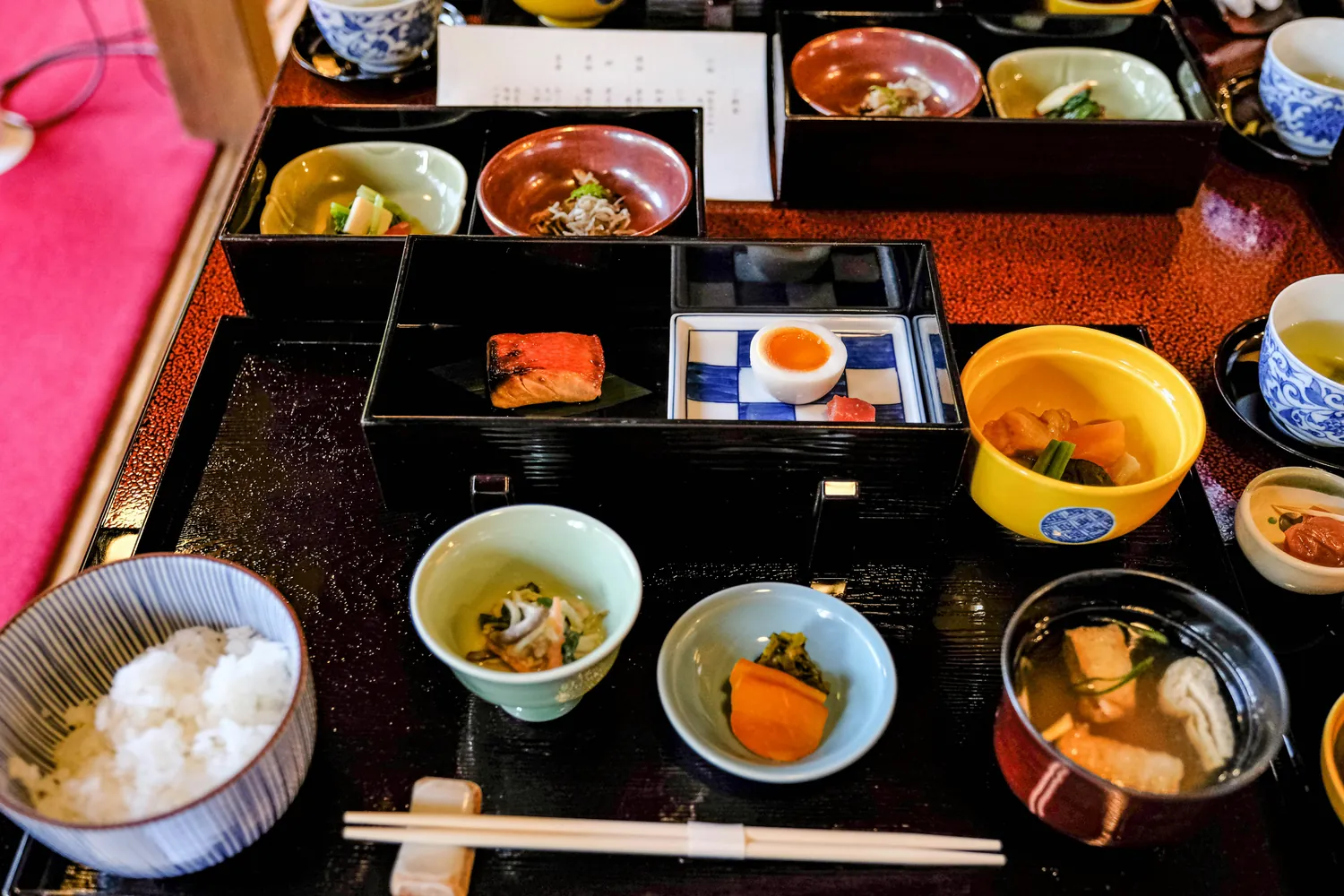
Chopsticks are the quintessential utensil in Japanese dining. Holding them properly conveys respect for the culinary arts. When not in use, place chopsticks on the holder provided. Never stick them upright into your rice bowl, as this resembles funeral rites.
Passing food directly from chopstick to chopstick is also taboo, reflecting another funeral custom. Instead, use serving utensils or reverse your chopsticks to pick up shared food.
Ordering and Eating Protocol
Upon being seated, you'll often receive an oshibori (wet towel) to cleanse your hands before the meal. This signals readiness and respect for hygiene. Place your order politely, using phrases like "sumimasen" to attract the server’s attention.
When eating, express appreciation by saying "itadakimasu" before starting and "gochisosama deshita" once finished. These expressions acknowledge the effort behind your meal.
Sound and Pace: The Music of Mealtime
Sipping your soup can be noisy in Japan; slurping is seen as a compliment to the chef, particularly with noodle dishes. It's believed to enhance flavors, showcasing enthusiasm for the meal.
Pacing yourself aligns with communal dining harmony. Meals are meant to be savored together; rushing can disrupt the shared experience. Observe others and adjust your pace accordingly.
Sake Etiquette: Pouring Respect
Sake plays a pivotal role in Japanese dining and socializing. When partaking, never pour your own sake; instead, pour for others and let them reciprocate. This mutual exchange fosters connection.
Lift your cup with both hands when someone pours for you as a sign of gratitude. When clinking glasses for a toast, say "kanpai," but avoid doing so until everyone is ready with their drink.
The Ritual of Paying the Bill
Unlike many Western countries, bills in Japan are typically settled at the register rather than at the table. When you’re ready to leave, signal your server with "okaikei onegaishimasu" to request the bill. If you're with locals, they may offer to pay as part of their hospitality; graciously attempt to contribute, but if they insist, accept with appreciation.
Tipping is not customary in Japan and can even be perceived as rude. Exceptional service is ingrained in the culture, so a verbal acknowledgment or a small gift can substitute your thanks if you feel compelled.
Cultural Insights: Beyond the Dining Table
Understanding and embracing these dining etiquettes enhances more than just your mealtime experience; it reflects a broader respect for Japanese customs and values. By immersing yourself in these practices, you not only enjoy delicious meals but also weave meaningful connections through cultural appreciation.
Remember, as you navigate the vibrant tapestry of Japan’s culinary world, the essence lies in harmony and respect—a philosophy that transforms every meal into a memorable cultural exchange.