
Indonesia's Overlooked Islands: Celebrating Culture Amid Environmental Concerns
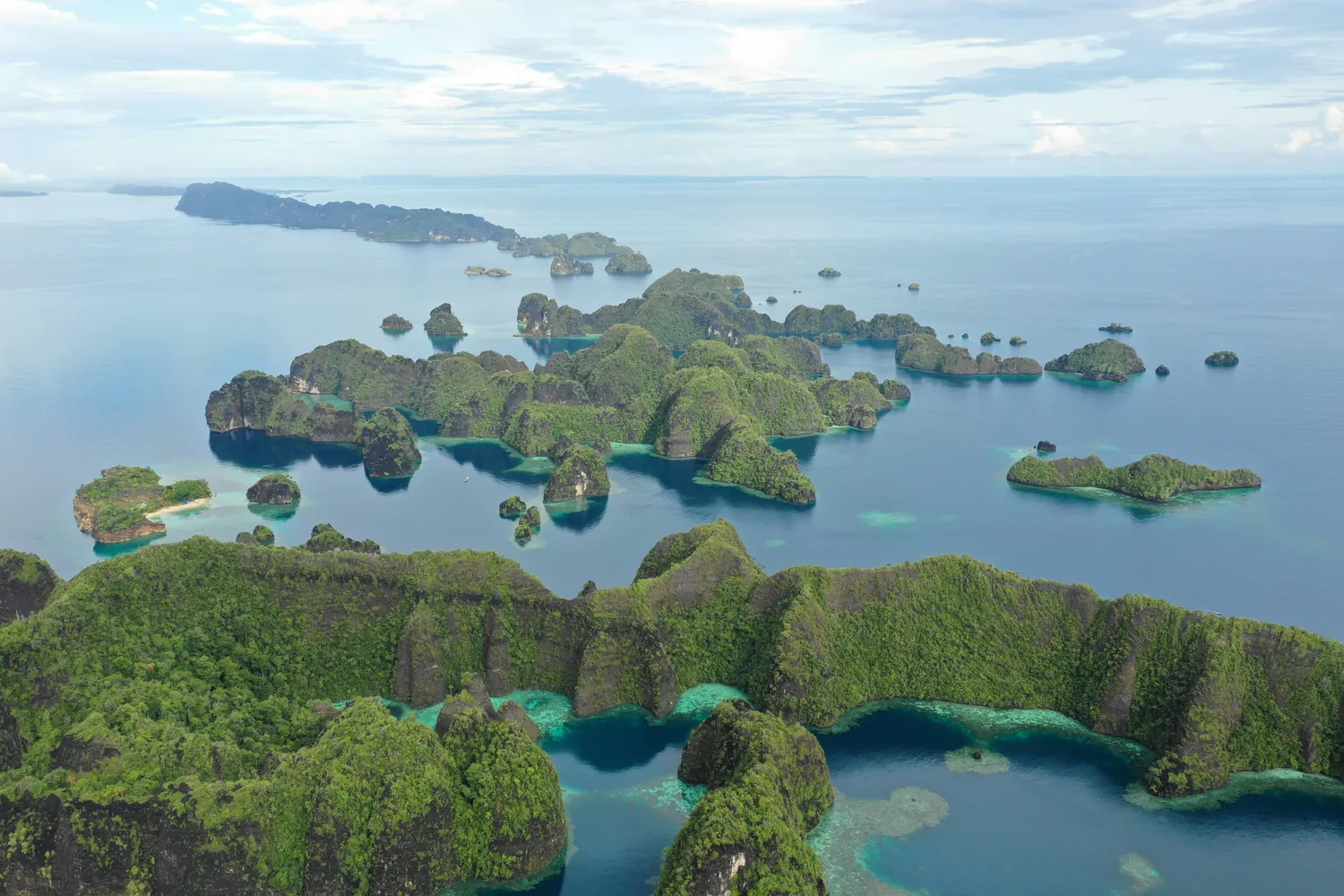
Indonesia's Lesser-Known Gems
While many travelers flock to Bali and Java, Indonesia boasts a rich tapestry of lesser-known islands that offer stunning natural beauty and vibrant local cultures. Beyond the hustle and bustle of popular tourist spots lie islands like Sumba, Belitung, and Alor, each with its unique offerings that remain relatively untouched by mass tourism.
The Allure of Sumba
Sumba is known for its beautiful savannah landscapes and traditional villages. Unlike Bali, where modernity intermingles with tradition, Sumba remains deeply rooted in its ancestral ways. The island is famous for the Pasola Festival, a traditional war game involving hundreds of horsemen. Visiting during this time offers a rare glimpse into the island’s spiritual life. Moreover, the beaches of Sumba, such as Nihiwatu, are often ranked among the world’s best, providing a perfect blend of adventure and relaxation.
Belitung's Geological Wonders
Belitung Island captivates visitors with its stunning granite rock formations and pristine beaches. The small island located off the east coast of Sumatra is celebrated for its unique geological features, making it an ideal destination for nature lovers and geology enthusiasts alike. The island’s Tanjung Tinggi Beach gained fame through the Indonesian film "Laskar Pelangi," which highlighted its surreal landscapes.
Travelers to Belitung can engage in snorkeling and diving activities, exploring vibrant coral reefs and rich marine life. However, accessibility can be challenging as there are limited flights to the island, requiring some planning ahead.
Alor's Rich Marine Life
Located in East Nusa Tenggara, the Alor Archipelago consists of over 20 islands and is considered one of the best diving destinations in Indonesia. With crystal-clear waters and thriving marine biodiversity, it draws divers from around the globe looking to explore sites like Clown Valley and Kal’s Dream.
The local culture in Alor is equally enticing. Traditional Ikat weaving is a cherished art form, and visitors can witness the meticulous process carried out by skilled artisans. However, due to the islands' remote location, visitors must be prepared for limited transport options and basic facilities outside major towns.
Cultural Highlights and Traditions
Festivals as Cultural Windows
Many lesser-known islands host unique festivals that offer insight into their rich cultural tapestries. Participating in these celebrations not only enriches travel experiences but also helps sustain local traditions. For instance, the Pasola Festival in Sumba or Belitung's Cape Fire Dance Festival highlight the communal and spiritual lives of these island communities.
- Pasola Festival (Sumba): This ritualistic event involves colorful jousting between opposing clans, marking the start of the rice-planting season.
- Cape Fire Dance Festival (Belitung): A vibrant performance celebrating harvest time with music, dance, and traditional costumes.
Cuisine: A Taste of Island Life
The culinary landscape across Indonesia’s islands is as diverse as its geography. Sampling local dishes provides a delicious way to connect with different cultures. Dishes like Ikan Bakar (grilled fish) in Belitung or Kolo (bamboo-cooked rice) in Flores reflect the resources available on each island.
Environmental Conservation Efforts
Sustaining Biodiversity
The unique ecosystems of Indonesia’s islands are under increasing pressure from development and climate change. Efforts to preserve these environments are crucial not only for maintaining biodiversity but also for supporting local livelihoods reliant on natural resources.
NGOs and local governments have initiated conservation projects across various islands. For instance, on Alor Island, initiatives focus on protecting coral reefs through community-based monitoring programs. Volunteers can participate in reef surveys or educational outreach programs to increase awareness about marine conservation.
Challenges in Conservation
Despite ongoing efforts, challenges persist. Limited funding and logistical difficulties hinder conservation work on remote islands. Additionally, balancing tourism development with environmental protection presents a continual trade-off. For example, while tourism brings economic benefits to regions like Sumba and Belitung, it also increases waste production and strains local infrastructure.
Travelers can contribute positively by choosing eco-friendly accommodations and supporting local conservation initiatives. Participating in beach clean-ups or donating to environmental NGOs operating in these regions can help mitigate some of the impacts of increased tourism.
Navigating Access and Infrastructure
Reaching Remote Destinations
Traveling to these remote islands requires careful planning due to limited transport options. While larger islands like Lombok have regular flights and ferry services, reaching smaller destinations often involves multiple transfers via planes or boats.
- Flight Connections: Major airlines serve hubs like Jakarta or Bali from which smaller carriers operate flights to less accessible islands like Sumba or Alor.
- Boat Transfers: Ferries or charter boats may be necessary for reaching archipelagos like Raja Ampat or the Togian Islands.
Avoiding Over-Tourism
The balance between promoting tourism and preserving island integrity is delicate. Travelers are encouraged to visit during off-peak seasons when there is less strain on resources and infrastructure.
Responsible tourism practices—such as respecting local customs, reducing waste, and supporting community-led projects—are vital for ensuring these islands remain pristine for future generations.
The Future of Indonesia’s Hidden Treasures
The lesser-known islands of Indonesia hold immense potential for sustainable tourism development that honors both cultural heritage and environmental integrity. With concerted efforts from governments, NGOs, and travelers alike, these unique destinations can thrive without compromising their essence.
Ultimately, the key lies in balancing accessibility with preservation—a challenge that requires thoughtful planning and a commitment to fostering genuine connections between visitors and host communities. As more travelers discover these hidden gems, they become ambassadors for responsible exploration that celebrates diversity while safeguarding nature's wonders.