
Navigating Europe's Rail Network: A Guide to Smooth Travel
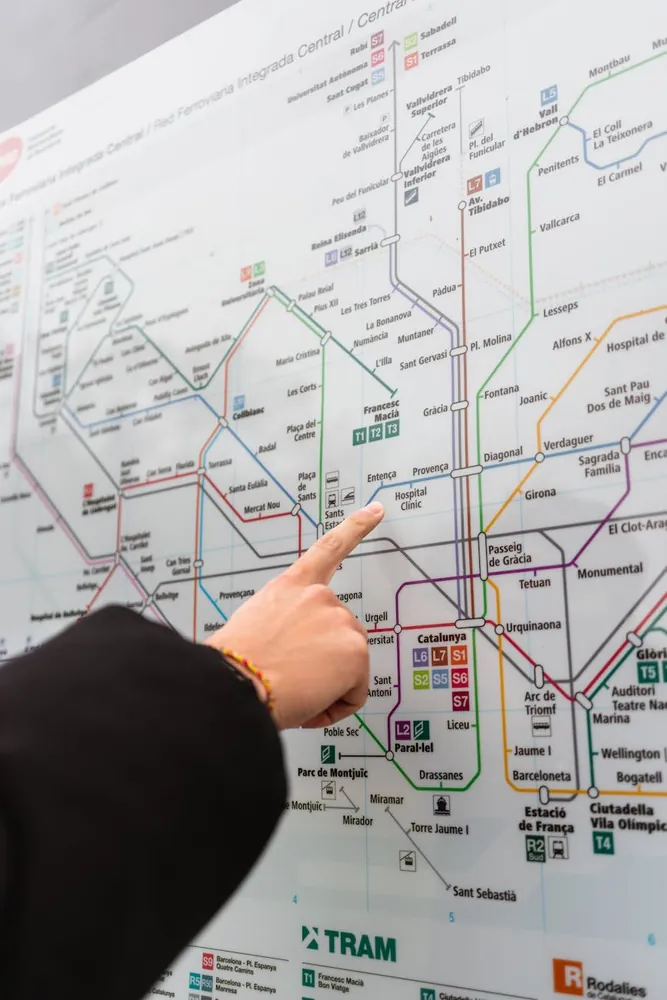
Understanding Europe's Rail Network
Traveling by train across Europe is a quintessential experience that combines scenic views, cultural immersion, and a practical mode of transportation. Europe's rail network is vast and varied, encompassing high-speed trains, overnight sleepers, regional connectors, and local services.
The rail network is celebrated for its punctuality and efficiency. However, its complexity can be daunting for first-time travelers. This guide aims to demystify the process of booking trains, understanding schedules, and maximizing your journey.
Booking Your Train Journey
Step 1: Research and Plan
Begin by researching your travel itinerary. Decide which cities or regions you wish to explore. Popular routes such as Paris to Amsterdam or Barcelona to Madrid are well-serviced by high-speed trains like the TGV or AVE. For scenic routes, consider the Bernina Express in Switzerland or the Cinque Terre region in Italy.
Use resources like Seat61, a comprehensive guide to rail travel in Europe, offering detailed information on routes and ticketing options.
Step 2: Choose Your Tickets
You can book point-to-point tickets or opt for a rail pass if traveling extensively. The Eurail Pass offers flexibility for non-European residents, allowing travel across multiple countries with a single ticket. Meanwhile, the Interrail Pass provides similar benefits for European residents.
- Point-to-Point Tickets: Best for direct travel between two cities. Purchase these from the national rail websites or platforms like Rail Europe.
- Rail Passes: Ideal for multi-country exploration. Check Eurail for the latest pass options and promotions.
Step 3: Make Reservations
Some popular routes require seat reservations even if you hold a pass. Reservations ensure you have a seat during peak travel times or on mandatory reservation trains like the Thalys or Eurostar.
Make these reservations through national railway sites or via travel agencies. Online platforms often provide e-tickets that can be printed or saved to your smartphone.
Understanding Train Schedules
Navigating Timetables
Train schedules are accessible online via national railway websites such as Deutsche Bahn, SNCF, or Trenitalia. Utilize mobile apps like DB Navigator for Germany or SNCF Connect for France for real-time updates and journey planning.
- Check Frequency: High-speed trains often run multiple times a day between major cities.
- Local Trains: Regional and local services might be less frequent, so plan accordingly.
Understanding Transfers and Connections
If your journey includes transfers, be mindful of transfer times between connecting trains. Many stations are large, so allow sufficient time (usually 10-20 minutes) to navigate between platforms.
For complex itineraries with multiple connections, check the station layout beforehand or ask station staff for assistance upon arrival.
Maximizing Your Rail Experience
Enjoying Scenic Routes
Certain train journeys offer breathtaking landscapes. The Glacier Express in Switzerland takes you through the Swiss Alps with panoramic views. In Norway, the Bergen Line provides stunning vistas of fjords and mountains.
- Book Window Seats: For optimal views on scenic routes, reserve window seats when possible.
- Travel During Daylight: Ensure you journey during daylight hours to enjoy the scenery fully.
Packing Essentials for Train Travel
Your comfort during long train rides is crucial. Pack essentials such as snacks, water, reading material, and a travel pillow. European trains often feature dining cars but bringing your own provisions can be more cost-effective.
Also, consider packing earplugs and a sleep mask for overnight journeys where you might want to catch some rest.
Cultural Etiquette and Safety
Understanding Local Etiquette
Cultural norms vary by country, but generally speaking, train travel in Europe is an opportunity to practice good etiquette:
- Keep noise levels down; use headphones if listening to music or watching videos.
- Avoid occupying additional seats with your belongings during crowded times.
Safety Tips
Theft can occur on trains, especially on overnight routes or busy intercity lines. Keep your belongings secure:
- Use luggage locks and keep valuables within reach.
- If available, utilize onboard lockers for larger items.
A Mini Framework for Booking and Traveling by Train
Checklist for Seamless Train Travel
- Research Destinations: Identify cities and scenic routes of interest.
- Select Tickets/Passes: Decide between point-to-point tickets or rail passes based on your itinerary.
- Reserve Seats: Book reservations where necessary to secure your spot on popular routes.
- Plan Your Schedule: Check timetables and allocate extra time for transfers.
- Packing Essentials: Prepare your travel bag with necessities for comfort and safety.
The Joy of European Rail Travel
The true charm of rail travel in Europe lies in its ability to connect diverse cultures and landscapes seamlessly. Whether you're gliding through the vineyards of France, traversing the mountainous terrain of Austria, or cruising alongside the serene canals of Venice, each journey is an adventure unto itself.
By planning effectively and embracing the experience, you'll discover why Europe's railways remain a favorite among travelers worldwide. Enjoy your travels and savor each moment aboard one of the world's most celebrated train networks.