
Creative Solutions for Enhancing Biodiversity in City Environments
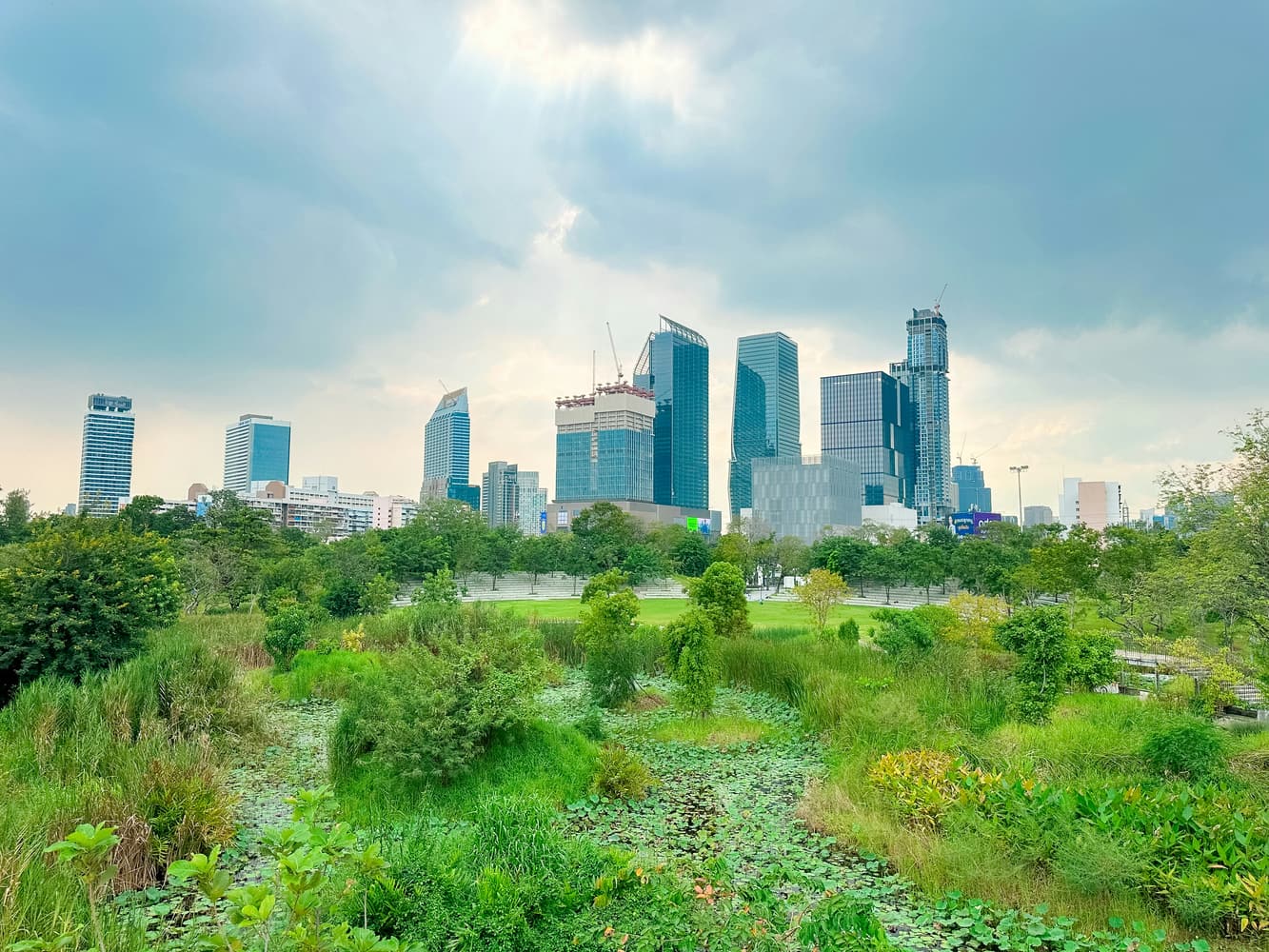
Transforming Urban Areas into Wildlife Havens
Urban environments are often seen as the antithesis of natural habitats, yet they hold tremendous potential for enhancing biodiversity. As cities expand and green spaces shrink, it's crucial to find innovative solutions that balance urban development with ecological sustainability.
Incorporating native plants, creating green corridors, and utilizing community spaces effectively are pivotal strategies in this endeavor.
Incorporating Native Plants
The introduction of native plants into urban landscapes is one of the most straightforward yet impactful ways to boost local biodiversity. Native plants are adapted to the local climate and soil conditions, requiring less maintenance and water compared to non-native species. They also provide essential habitat and food resources for local wildlife, including pollinators like bees and butterflies, birds, and small mammals.
Benefits of Native Plant Gardens
- Low Maintenance: Once established, native plants typically require less care than ornamental varieties. They are naturally resistant to local pests and diseases, reducing the need for pesticides.
- Water Conservation: Native plants are adapted to regional rainfall patterns, promoting sustainable water use.
- Support for Local Wildlife: These plants form the backbone of local ecosystems by offering food and habitat for native species.
Implementing Native Plant Strategies
To effectively integrate native plants into urban settings, collaboration between city planners, landscape architects, and ecologists is vital. Initiatives can range from converting public parks to establishing community gardens filled with native flora. Educational programs can also play a critical role in encouraging residents to plant native species in their private gardens. One successful example is Chicago's "Wild Chicago" initiative, which transformed neglected plots into thriving native plant gardens through community involvement.
Creating Green Corridors
Green corridors are linear green spaces that connect isolated patches of habitat within urban areas, allowing wildlife to move freely across the landscape. These corridors are crucial for species survival, facilitating genetic exchange and enabling species to adapt to environmental changes.
Types of Green Corridors
- Linear Parks: Created along roadsides or railways, these serve as conduits for both people and wildlife, enhancing connectivity across urban landscapes.
- Riverside Greenways: Protecting riverbanks with native vegetation supports aquatic and terrestrial species while providing recreational opportunities for city dwellers.
- Vegetated Urban Infrastructure: Rooftop gardens, living walls, and green roofs can act as stepping stones for birds and insects in densely built-up areas.
Success Stories
An inspiring case is the Amsterdam Urban River Park, which transformed a neglected canal system into a vibrant green corridor teeming with life. By reintroducing native aquatic plants and restructuring the canal banks, biodiversity flourished alongside enhanced urban aesthetics.
Utilizing Community Spaces for Biodiversity Enhancement
Community spaces hold untapped potential for fostering biodiversity. These areas can be transformed into hubs of ecological activity through creative design and active community participation.
Community Involvement
The success of biodiversity initiatives heavily relies on community engagement. Local residents can be involved in planning and maintaining green spaces, making them stakeholders in urban ecology projects. Workshops, citizen science projects, and local biodiversity days can enhance awareness and foster a sense of ownership.
Adaptive Use of Space
Vacant lots, schoolyards, and rooftops can be repurposed into green oases that support biodiversity. Programs like New York City's Green Thumb initiative provide support and resources for transforming underutilized spaces into vibrant community gardens. These gardens not only enhance biodiversity but also serve as vital social spaces, strengthening community bonds.
Contrasting Approaches: Pros and Cons
While these strategies all aim to enhance urban biodiversity, they differ in implementation and impact.
Native Plants vs. Green Corridors
- Native Plants: Best for smaller-scale interventions; they provide immediate benefits for local wildlife but may require careful selection to avoid invasive tendencies.
- Green Corridors: Suitable for large-scale urban planning projects; these provide long-term connectivity for wildlife but may involve more complex land-use negotiations.
Community Spaces vs. Institutional Projects
- Community Spaces: Offer grassroots engagement and adaptability; however, they rely on sustained community involvement and may face challenges like resource allocation.
- Institutional Projects: Typically have more funding and expertise; however, they might lack local relevance if not aligned with community interests.
The Road Ahead: Sustainable Urban Planning
The integration of nature into urban environments requires a multifaceted approach that considers ecological, social, and economic dimensions. As more cities worldwide recognize the value of biodiversity in promoting healthy ecosystems and human well-being, innovative urban planning can create environments where both nature and people thrive.