
Documenting Raccoons in the City: Essential Tips for Wildlife Photographers
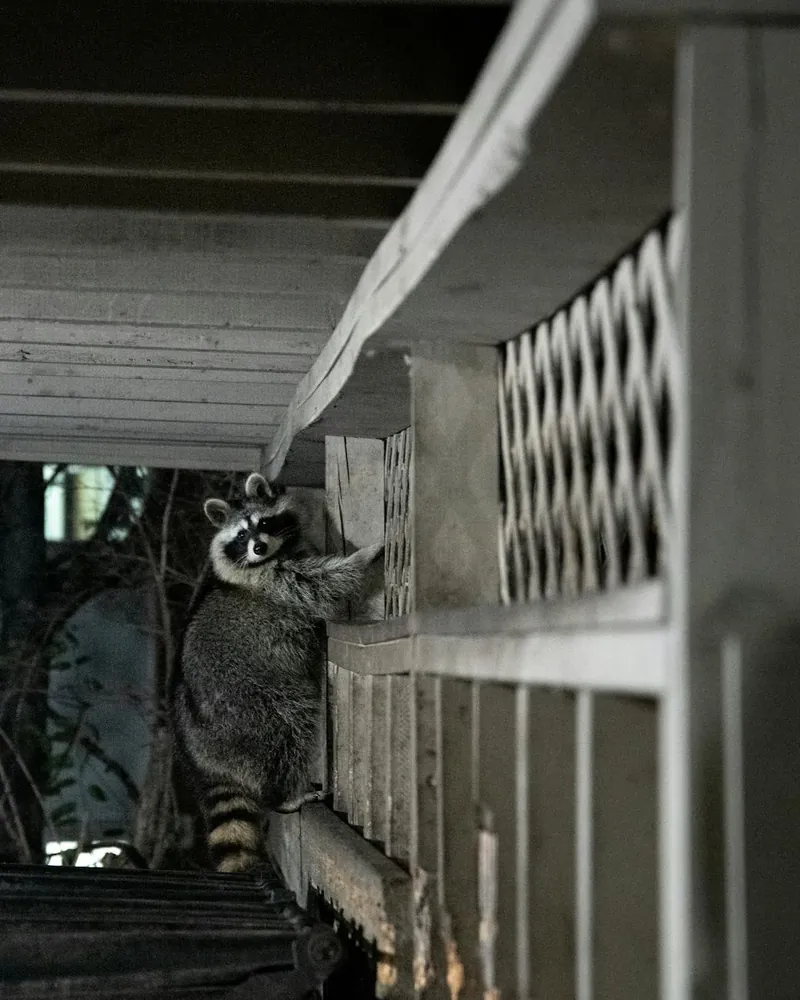
The Urban Wilderness: Capturing the Elusive Raccoon
Urban areas often surprise us with their unexpected guests. Among these, the raccoon stands out as a particularly charming and resourceful creature. For wildlife photographers, documenting raccoons in city settings offers a unique opportunity to capture the juxtaposition of nature and urban life.
However, this task requires careful planning and an understanding of both equipment and technique to ensure the safety and integrity of the wildlife involved.
Understanding Raccoon Behavior in Urban Environments
Raccoons are highly adaptable animals, thriving in both rural and urban landscapes. Their nocturnal nature means they are most active at night, which can pose challenges for photographers aiming to capture their behavior. In cities, raccoons often forage for food in dumpsters or navigate through gardens, adapting remarkably to human presence.
Photographers aiming to document these behaviors need to be aware of the raccoon's habits. Setting up near known feeding spots or pathways frequented by raccoons can increase the likelihood of sightings. Additionally, understanding their seasonal behaviors—such as mating or foraging patterns—can greatly enhance the timing of photography sessions.
Essential Equipment for Urban Wildlife Photography
To successfully capture images of raccoons in an urban setting, selecting the right equipment is crucial. The choice of gear will depend largely on the photographer's style, the setting, and the desired outcome.
Cameras and Lenses
- DSLR or Mirrorless Cameras: These cameras provide high-quality images and offer flexibility with interchangeable lenses. They are suitable for low-light conditions often encountered at dusk or night when raccoons are active.
- Telephoto Lenses: A lens with a focal length of at least 200mm allows photographers to maintain a respectful distance from wildlife while capturing detailed shots. Longer lenses may be necessary in more open urban environments.
Example Workflow: Start with a mid-range zoom lens (70-200mm) for flexibility, then switch to a longer lens (300mm+) if you're photographing in larger parks or where raccoons are likely to be more distant.
Additional Gear
- Tripod: A sturdy tripod is essential for stabilizing long exposures necessary in low-light conditions. Look for lightweight models for easy mobility around urban areas.
- External Flash: While natural lighting is preferable, an external flash can help highlight the subject without overpowering natural shadows. Use diffusers to soften the light for a more natural look.
- Remote Shutter Release: This tool allows photographers to trigger their camera without physically touching it, reducing the risk of startling raccoons and minimizing motion blur.
Techniques for Photographing Urban Raccoons
Capturing raccoons in urban environments involves a blend of patience, stealth, and technical skill. Here are some techniques that can help in documenting these creatures effectively:
Blending In and Remaining Invisible
One of the key aspects of wildlife photography is ensuring that your presence does not disturb the animal. Wear neutral-colored clothing that blends with your surroundings and minimize noise by avoiding sudden movements.
For example, setting up near a frequented dumpster might allow you to capture raccoons as they forage, but keep distance and remain quiet to ensure you don't alter their natural behavior.
Making Use of Natural Light
Shooting during the 'golden hours'—the first hour after sunrise and the last hour before sunset—can provide beautiful natural lighting that enhances the detail and texture in your photographs. In urban settings, streetlights or ambient city lights can create interesting contrasts with the natural light available at these times.
If shooting at night, consider the city's light pollution as both a challenge and an artistic element. Use manual settings to adjust exposure, ISO, and aperture according to the specific lighting conditions present.
Ethical Considerations in Urban Wildlife Photography
Photographers have a responsibility to document wildlife ethically. This means ensuring that their actions do not disrupt or harm the animals or their habitat. With urban raccoons, specific ethical considerations include:
- Avoid Baiting: Do not use food to attract raccoons for photographs as this can alter their natural behavior and potentially endanger them by making them reliant on human food sources.
- Respect Private Property: Always seek permission before accessing private property. Many urban raccoons may roam close to residential areas where boundaries can be easily crossed.
The key is to prioritize the well-being of wildlife over obtaining any single image. This approach ensures that urban environments continue to serve as safe havens for creatures like raccoons.
The Creative Possibilities of Urban Wildlife Photography
Urban wildlife photography offers creative opportunities not found in traditional wildlife settings. The interplay between man-made structures and natural elements can lead to compelling compositions.
For instance, capturing a raccoon against the backdrop of city lights can create a visual narrative about adaptation and coexistence. Similarly, documenting their interactions with common urban items—a garbage bin lid serving as a makeshift perch—can add layers of storytelling to your work.
Post-Processing Tips
After capturing images, post-processing can enhance their quality and impact:
- Highlighting Key Features: Use software like Adobe Lightroom to adjust contrast and brightness selectively, emphasizing the raccoon's distinctive features such as its masked eyes or bushy tail.
- Noiseware Tools: As nighttime photography often results in higher ISO settings leading to noise, tools like DxO Photolab or Topaz DeNoise can help clean up your images without losing detail.
The Journey Ahead: Continual Learning and Exploration
The journey of capturing raccoons in urban environments is one of continual learning. Each city offers different challenges and insights into how these resilient creatures live alongside humans. By staying curious and respectful, wildlife photographers can contribute valuable observations that inform both art and conservation efforts.
If you're ready to embark on your own photographic journey into the urban wilderness, remember that patience and preparation are your best allies. Embrace both successes and setbacks as parts of a rewarding adventure that celebrates the resilience and beauty of urban wildlife.