
Innovative Urban Planning: Building Wildlife Pathways for City Animals
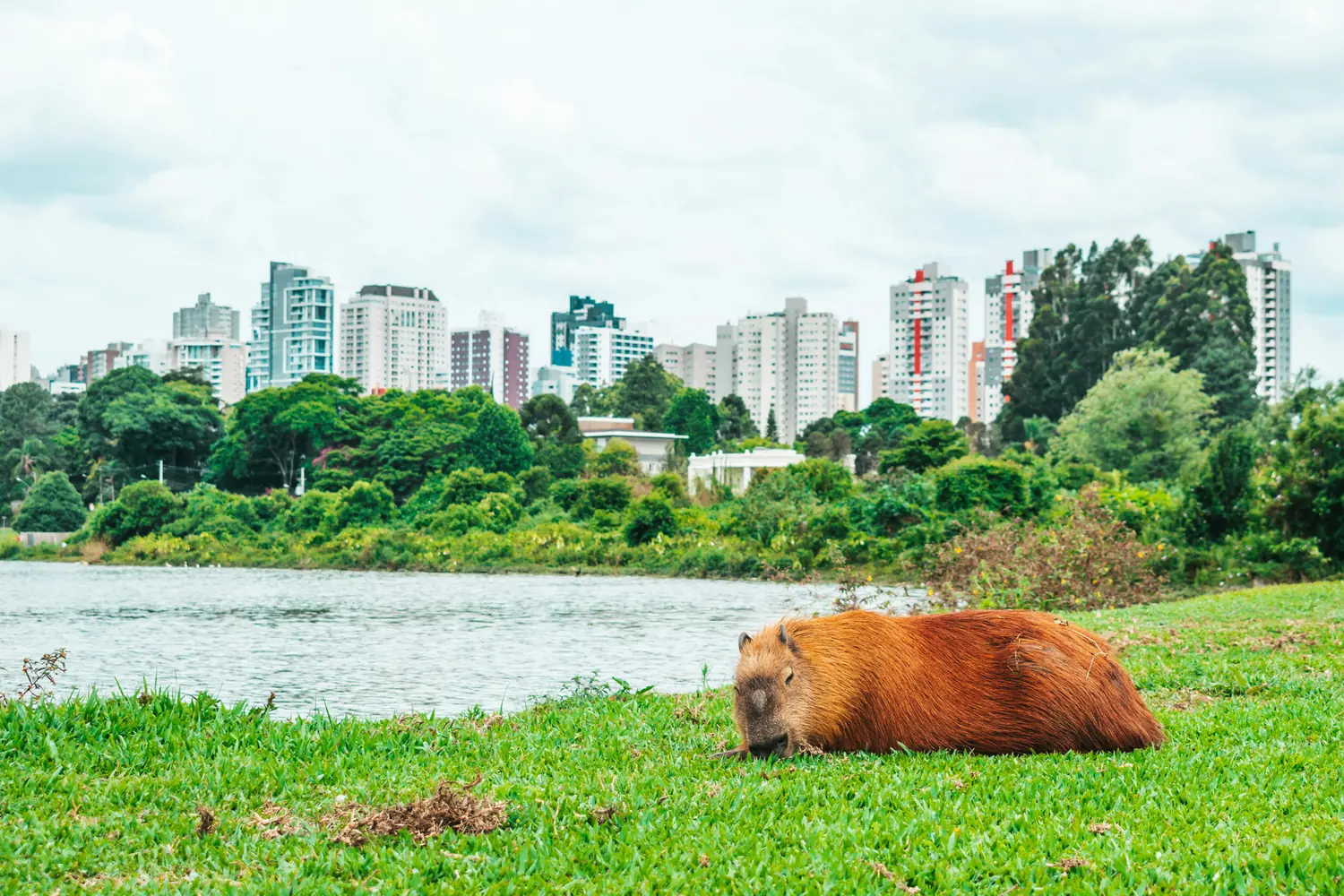
Urban Wildlife: The Growing Challenge
As urban landscapes expand, cities around the globe face the challenge of maintaining biodiversity within concrete jungles. The need for sustainable urban development becomes apparent as wildlife habitats are often disrupted, leading to a decline in animal populations and a loss of ecological balance.
However, cities like Los Angeles and Toronto are pioneering solutions by integrating wildlife pathways into their urban planning strategies.
The Concept of Wildlife Corridors
Wildlife corridors are designated routes that allow animals to move safely across fragmented habitats. These pathways are crucial for species survival, enabling access to resources, genetic diversity through interbreeding, and escape from natural disasters. The implementation of these corridors involves understanding the local fauna's behavior and creating infrastructural designs that meet their needs.
Case Study: Los Angeles
Los Angeles has been at the forefront of urban wildlife management, particularly with its ambitious plans for the Liberty Canyon Wildlife Crossing. This project aims to bridge two sections of the Santa Monica Mountains separated by the ten-lane Highway 101. Set to become the largest of its kind in the world, this crossing exemplifies how urban areas can accommodate both human and wildlife needs.
The design process involved extensive research on local species such as mountain lions, bobcats, and gray foxes. Collaborators included conservationists, landscape architects, and engineers who worked together to develop a structure that blends seamlessly with the natural environment while ensuring animal safety.
- Design Considerations: Features include native vegetation planting, sound barriers to minimize noise pollution, and gentle slopes that facilitate animal movement.
- Community Engagement: Public awareness campaigns and educational programs have fostered community support, turning the project into a source of local pride.
Case Study: Toronto
In Toronto, the creation of the Meadoway is transforming underutilized land into a vibrant urban greenspace stretching over 16 kilometers. This initiative not only restores native meadows but also creates a vital corridor connecting several parks and ravines.
The project focuses on re-establishing a thriving ecosystem that supports diverse species such as monarch butterflies and native birds. The Meadoway serves as a model for integrating green infrastructure into urban planning, emphasizing the role of public spaces in supporting biodiversity.
- Habitat Restoration: Efforts include removing invasive species and planting over 150 species of native flora.
- Collaborative Approach: Partnerships between municipal authorities, environmental organizations, and local communities have been crucial in advancing restoration efforts.
The Benefits of Urban Wildlife Corridors
The implementation of wildlife pathways in cities offers numerous ecological and social benefits. From enhancing biodiversity to improving air quality, these corridors contribute to healthier urban environments. Moreover, they provide educational opportunities and recreational spaces for city dwellers, fostering a deeper connection with nature.
Practical Tips for Cities
Cities looking to implement similar initiatives can draw valuable insights from successful projects. Here are some practical tips:
- Conduct Thorough Research: Understanding local wildlife species and their movement patterns is essential for designing effective corridors.
- Engage Stakeholders: Collaboration with environmental experts, city planners, and local communities ensures broad support and successful project execution.
- Prioritize Connectivity: Integrate pathways with existing green spaces to enhance habitat connectivity and maximize ecological impact.
- Promote Education: Use projects as platforms for raising awareness about biodiversity conservation among residents.
A Future Vision: Expanding Wildlife-Friendly Cities
The integration of wildlife corridors into urban planning marks a progressive step toward sustainable development. By prioritizing biodiversity, cities not only contribute to global conservation efforts but also enhance their resilience against environmental challenges. As more cities embrace this innovative approach, they pave the way for a future where urban and natural worlds coexist harmoniously.