
Planting Techniques to Encourage Bird Visits and Sustain Their Populations
Creating a Bird-Friendly Environment in Your Backyard
Transforming your garden into a haven for local bird populations is both an enjoyable and rewarding endeavor. Birds not only add beauty and song to your surroundings but also contribute to a balanced ecosystem by controlling insect populations and pollinating plants.
This guide will walk you through the essential steps to make your garden more attractive to birds, focusing on using native plants and strategic placement of bird feeders.
The Importance of Native Plants
Native plants are the cornerstone of any bird-friendly garden. They provide food, shelter, and nesting sites that non-native plants cannot offer as effectively. Birds are more likely to visit gardens with native flora because they are adapted to these species, which provide the right type of seeds, fruits, and insects that local birds need.
- Selecting the Right Native Plants: Research which plants are native to your area. Local extension services or botanical gardens can provide lists of suitable species. For instance, if you live in the Midwest, consider planting coneflowers, black-eyed Susans, or wild bergamot.
- Providing Seasonal Food Sources: Choose plants that bloom at different times of the year to ensure a continuous supply of food. Early spring flowers like serviceberries provide nectar for early arrivals, while summer-blooming shrubs like elderberry offer mid-year sustenance. Autumn-bearing trees such as dogwoods can help prepare birds for migration with their nutritious berries.
Designing the Layout: Layered Planting Approach
A layered planting approach mimics natural habitats and offers varied resources and protection levels for different bird species. Here's how you can achieve this:
- Canopy Layer: Tall trees like oaks or pines serve as the top layer, offering perching spots and nesting sites.
- Understory Trees and Shrubs: Medium-height species such as dogwoods or viburnums provide additional food sources and shelter.
- Ground Cover: Low-growing plants like ferns or grasses create a natural mulch, reducing weeds and maintaining soil moisture while offering cover for ground-foraging birds like sparrows.
Creating Water Features
Water is crucial for birds for both drinking and bathing. A simple birdbath can greatly increase the number of avian visitors to your garden. Ensure the water is fresh and clean, changing it every few days to prevent stagnation and mosquito breeding.
- Designing Birdbaths: Opt for shallow basins with gently sloping sides, no more than 2 inches deep, so small birds can comfortably use them.
- Placement: Place the birdbath in a location where birds can easily spot potential predators but also have quick access to cover. Under a tree with overhanging branches is ideal.
Adding Bird Feeders
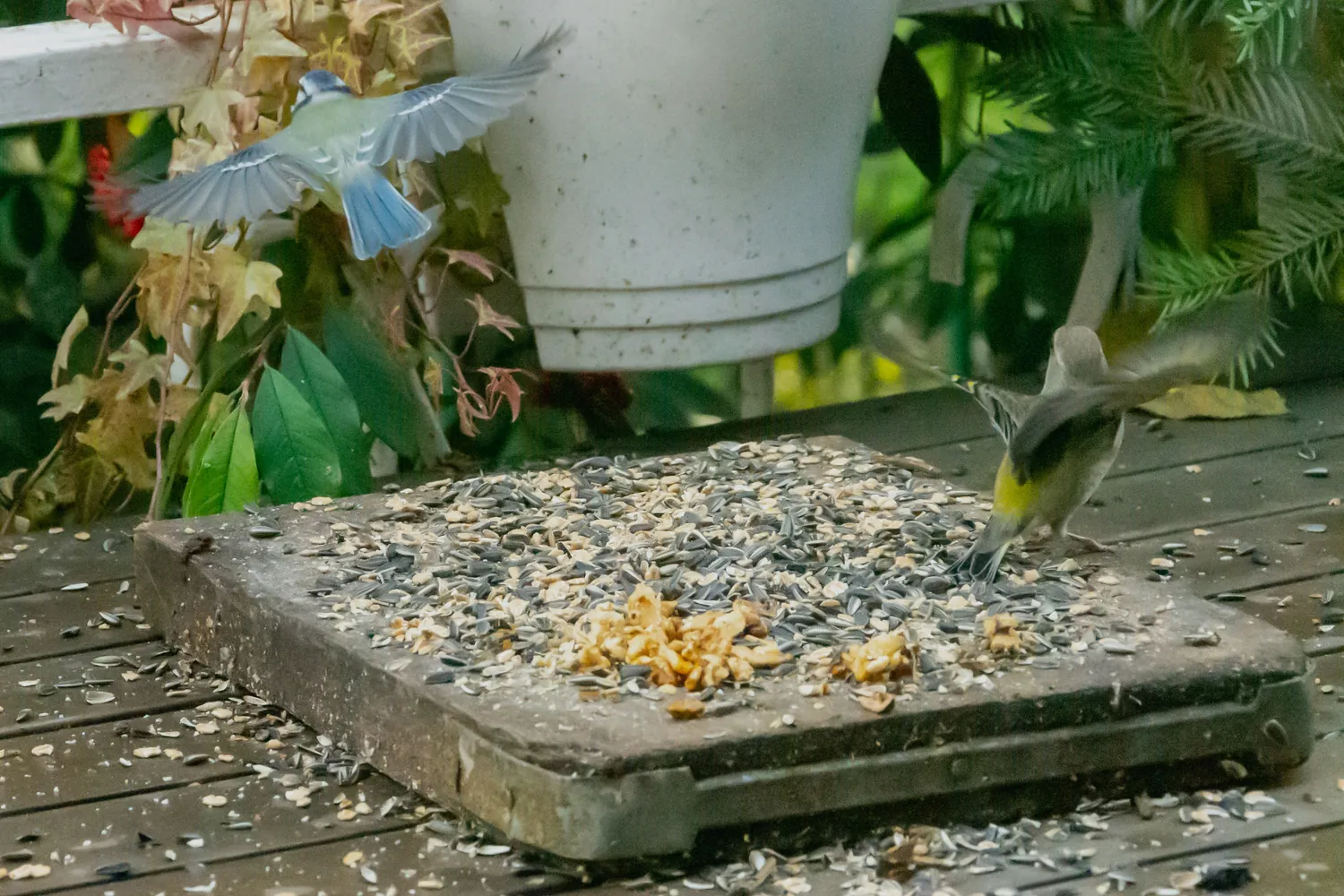
While plants should be your primary source of food for birds, feeders can supplement their diet during harsh weather or migration periods. Consider these tips when adding feeders to your garden:
- Types of Feeders: Different feeders attract different species. Tube feeders are great for finches, while platform feeders can attract jays and cardinals.
- Choosing Birdseed: Offer a variety of seeds such as black oil sunflower seeds, suet, and nyjer to cater to different preferences. Avoid cheap seed mixes that often contain fillers not favored by most birds.
- Feeder Placement: Position feeders near natural cover like shrubs or trees to provide refuge from predators. Ensure feeders are easy to clean and fill.
Maintaining Your Bird-Friendly Garden
Regular Maintenance Tasks
A thriving bird-friendly garden requires regular maintenance to remain attractive and safe for its avian visitors. Here’s how to keep it in optimal condition:
- Weed Control: Regular weeding prevents invasive species from outcompeting your native plants.
- Pest Management: Avoid chemical pesticides. Instead, rely on natural pest control methods such as introducing beneficial insects or using organic solutions like neem oil.
- Pruning: Prune dead or overgrown branches to encourage healthy growth and maintain sightlines that help birds spot predators.
The Role of Citizen Science
You can support broader conservation efforts by participating in citizen science projects like the Cornell Lab of Ornithology’s Project FeederWatch. These initiatives track bird populations and help scientists understand trends affecting their numbers.
Acknowledging Challenges and Finding Solutions
Every garden faces unique challenges such as local climate conditions, space limitations, or predator presence. Here are some strategies for overcoming common obstacles:
- Climate Adaptation: Choose drought-resistant native plants in areas prone to dry spells. Mulching can also help retain soil moisture.
- Space Constraints: Vertical gardens or container planting can maximize small spaces without compromising on plant variety.
- Predator Mitigation: Use thorny shrubs like hawthorn as barriers around nesting sites to deter cats or other predators.
By following these guidelines, homeowners can transform their outdoor spaces into vibrant ecosystems that not only attract and sustain bird populations but also enhance biodiversity in their local environments. With careful planning and ongoing commitment, even the smallest gardens can make a significant impact on local wildlife conservation.